Every restaurant has hours that never fill: the slow Tuesday lunch, the sluggish Thursday morning, the mid-afternoon lull where the room is set for a full house and three tables are taken. Those patterns are not random, and they are not inevitable. A restaurant loyalty program gives you both things you need to move guests into them: the data to see the pattern, and a direct line to the people who already like your food.
Know your own patterns before you act
The first task is to map which periods are actually quiet and when your regulars typically visit. Acting on a hunch can lead you to run campaigns during hours that are not really your weakest.
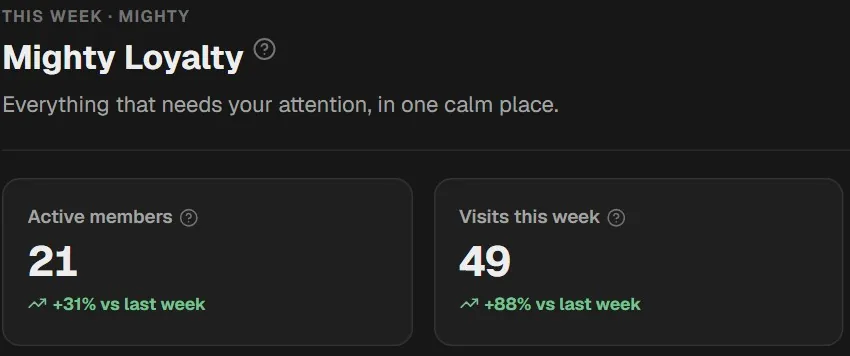
A digital loyalty program gives you a concrete picture: you can see when stamps are registered across the week and whether activity dips systematically at certain times. Imagine a restaurant that discovers most stamp registrations happen Friday through Sunday, while Wednesday and Thursday afternoons are nearly empty. That is exactly the insight you need before deciding which hours are worth targeting with a campaign.
The next question is who visits during the quiet periods. Are these your regulars who would come anyway, or guests you rarely see? The answer determines which type of offer makes the most sense.
Offers that actually shift visit patterns
Not every offer moves the dial on visit timing. A discount posted publicly might pull guests into the quiet hours, but open discounts come with two drawbacks: they eat into the margin of guests who would have come anyway, and they train customers to wait for a deal rather than visiting at full price.
What works more sustainably is offers aimed at your existing loyalty members. Here are four concrete options:
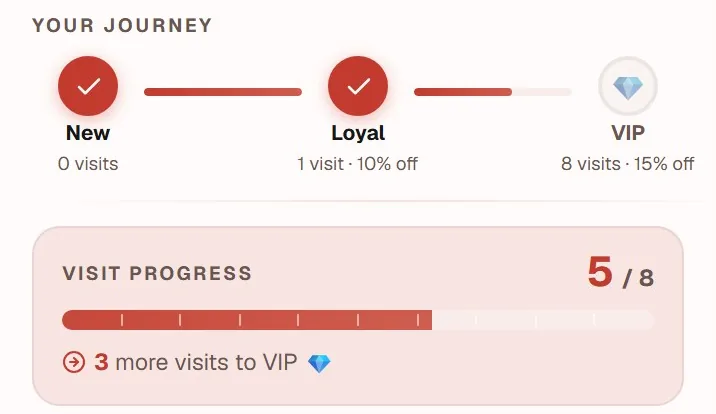
Double stamps at set hours. Guests already in your program are motivated by progress toward their reward. Double stamps on Tuesday and Wednesday between noon and 3 pm gives them a tangible reason to shift their visit time. It is not a discount; it is an acceleration of progress they are already working toward. What it costs and how to put limits on it is covered in double stamp days.
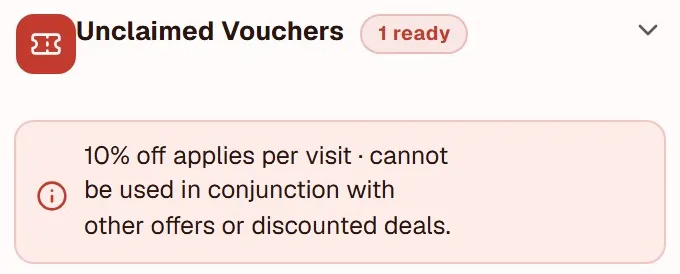
An exclusive offer for members only. Imagine a "quiet-hours perk": a free add-on, an upgrade, or a tasting portion available only during the slow hours and only for program members. The exclusivity is part of the value; this is not something everyone can get.
A campaign with a fixed end date. "Double stamps every weekday in August" is one example. A clear end date makes the campaign easy to communicate and creates a natural close, so the offer does not become the permanent expectation. If you run it as a coupon, the time window and limits can live in the system rather than in your staff's heads; see digital coupons vs paper coupons.
A bring-a-friend bonus. Members earn an extra stamp when they bring someone new during the quiet hours. This expands your customer base with people already vouched for by a guest you trust.
Communicate directly to the right guests
The decisive step is not the offer itself; it is making sure your loyalty members hear about it. An offer nobody knows about changes nothing.
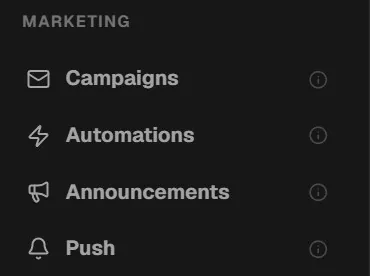
Your stamp card gives you a direct channel: the email addresses of guests who have signed up. You need no algorithms or paid advertising; you write directly to people who have already shown interest in your business. A simple email announcing "double stamps Tuesday and Wednesday for the next three weeks" is enough to create movement.
For the campaign to work, the message must reach guests in time. An email sent Monday morning about a Tuesday offer gives guests a chance to plan around it. The same message sent Tuesday at 1 pm arrives after the lunch decision has already been made. What works in practice for restaurant email is covered in more detail in emails that bring guests back. For same-day impact, push notifications for restaurants reach guests in real time: a message about double stamps at 10:30 lands before the lunch decision is made.
A quiet-hours campaign can only reach the guests who are in your program. The larger your list, the greater the impact. If you want to grow it before running the first campaign, the practical steps are in loyalty program sign-ups: 6 counter tactics that work.
Avoid the mistakes that undermine the effort
The most common mistake is making the temporary permanent. A two-to-three-week campaign creates movement in visit patterns; a campaign that never ends becomes the new normal, and guests start expecting double stamps indefinitely. Walking that back without disappointing the regulars you just built up is harder than it sounds.
The second mistake is making the offer too broad: double stamps for everyone at all times removes the strategic point, because guests no longer have a specific reason to come during the quiet hours rather than the busy ones.
The third mistake is launching a campaign without tracking whether it works. A digital loyalty program shows you stamp activity by day and hour. Compare the three campaign weeks with the three weeks before. Did activity rise during the quiet hours? That answer tells you whether to repeat, adjust, or try something else entirely.
The quiet hours hold an advantage worth using
One angle many owners overlook: for certain guests, the quiet hours are the reason to come. Families with young children, people with flexible work hours, and guests who value calm and attentive service actively prefer the relaxed atmosphere, shorter wait times, and the chance to talk with the staff.
Double stamps during the quiet hours sends a signal that you value exactly those guests. It is not just a tactical campaign; it communicates what kind of place you are. And that message is reinforced by the fact that your staff actually has time to deliver better service when there is no queue at the counter.
If the real goal behind the campaign is a stronger week rather than one busier Tuesday, the practical ways to increase cafe revenue covers the levers that sit right next to this one.
Frequently asked questions
Do double stamps work better than a direct discount?
For most restaurants and cafes that want to keep guests over the long term: yes. A discount open to everyone attracts primarily price-sensitive guests who will switch to a competitor the moment a better deal appears. Double stamps target your existing loyalty members and speed up their progress toward a reward they are already working toward. That strengthens loyalty rather than training guests to expect a lower price.
How long does it take before a campaign shifts visit patterns?
Most owners see the first signs within one to two weeks. Guests who are close to reaching their stamp goal respond fastest, because double stamps halves the time they have to wait. Guests with fewer stamps take a little longer to change their habits. A campaign of three to four weeks gives you enough data to judge whether it has actually made a difference in the quiet periods.
Can I run a quiet-hours campaign if I don't have many sign-ups yet?
Yes, but the impact is proportional to the size of your list. With 30 members the campaign will move relatively little; with 300 you will notice the difference more clearly. The good argument for starting early is that the campaign offer itself can act as a sign-up incentive: "Join now and get double stamps every Tuesday for the next three weeks" gives a potential member a concrete reason to say yes at the counter today rather than next time.