A clip card and a stamp card look almost identical on the counter and run on opposite logic. One sells future visits before they happen; the other thanks the guest after she has already returned. The choice changes your cash flow, your counter script and how much setup you need, so it is worth ten minutes before you commit.
The difference in one paragraph each
Both models share one goal: getting the guest to come back. They approach it from opposite directions.
A clip card is a prepaid bundle of visits or services. The guest buys ten coffees and pays for them now, collecting them over the coming weeks or months. The card counts down from the number she paid for. The model is familiar from the physical version, where a hole punched in card showed that one clip was used. Digitally it works the same way: the guest has a balance, and it falls with each visit.
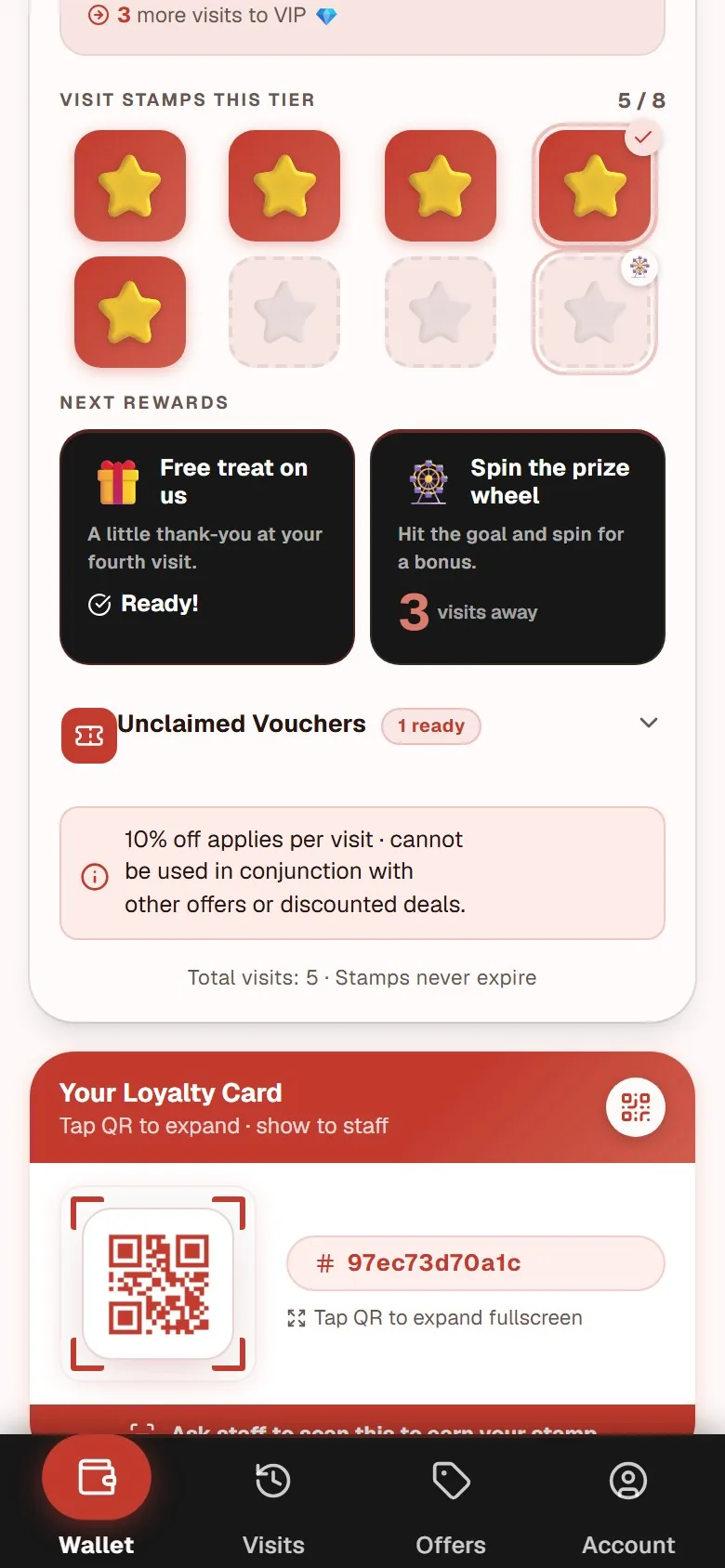
A stamp card works the other way around. The guest earns a stamp on each visit and receives a reward when a fixed number is reached. Nothing is paid upfront; the reward is a thank-you for loyalty, not part of a deal struck in advance.
Both give the guest a reason to return, but the incentive is psychologically and commercially very different.
The clip card: the guest invests upfront
When a guest buys a clip card, something important happens: she commits. The money is spent, and that creates a strong motivation to use the card. Many guests feel a quiet pressure: "I have paid for ten coffees; I should collect them." It is the same mechanism that keeps gym members turning up because they already paid for a quarterly membership.
As the owner, your cash position improves immediately. You receive payment before the services are delivered, giving you predictable revenue. In practice, some clips will never be redeemed, because the guest forgets, loses the card, or stops coming before it expires. Whether stamps on a stamp card should have an expiry date too is a separate question, covered in should loyalty stamps expire?
The downside is that the clip card requires an active sale at the counter. You need to persuade the guest to buy a bundle, and that is an extra step compared with a card the guest simply starts collecting.
The stamp card: the reward comes later
A stamp card requires no upfront investment from the guest. She scans at the counter and the stamp appears on her card. The reward is on the horizon, but no money is tied to the process. That makes the barrier to participation very low: the guest does not need to decide anything extra, she just starts.
The psychological engine is the progress effect: watching the card fill up gradually motivates the guest to return. The guest with six of ten stamps wants the four remaining ones, and that is what brings her back next time.
From a cash perspective the situation is reversed: the reward is a future cost, but one you know exactly because you defined it yourself. The cost is always proportional to the number of visits the guest has already completed, which makes it predictable.
If you are unsure what the right reward is, our guide to choosing a stamp card reward gives a concrete rundown of what works for cafes and restaurants.
Which model fits your business?
The choice depends on three things: your guest profile, your volume, and your willingness to actively sell bundles at the counter.
Choose a clip card if:
You sell services that guests repeat on a regular cycle. Hair salons, nail salons, personal trainers, and clinics are the classic examples. The guest knows she will be back within a foreseeable window and is willing to prepay. The clip card removes friction from an already-established visiting rhythm and gives you predictable income.
Choose a stamp card if:
You run a restaurant, cafe, bakery, or takeaway with a broad and varied audience. Here the barrier to participation matters most: the lower it is, the more guests join, and the more engagement you generate over time. A stamp card needs no opening line from staff and no prior decision from the guest beyond a scan.
The stamp card is generally the right starting point if you have never run a loyalty program. It is simpler to explain, simpler to operate, and simpler to set up digitally. If you are curious about what separates the two from a motivational-psychology angle, our article on points or stamps covers the underlying mechanics in detail. For a detailed look at what a digital stamp card experience involves in practice, our stamp card page is a good starting point.
The digital question: which platform supports what?
Many digital loyalty platforms are primarily built for one of the two models. It is worth checking before you commit.
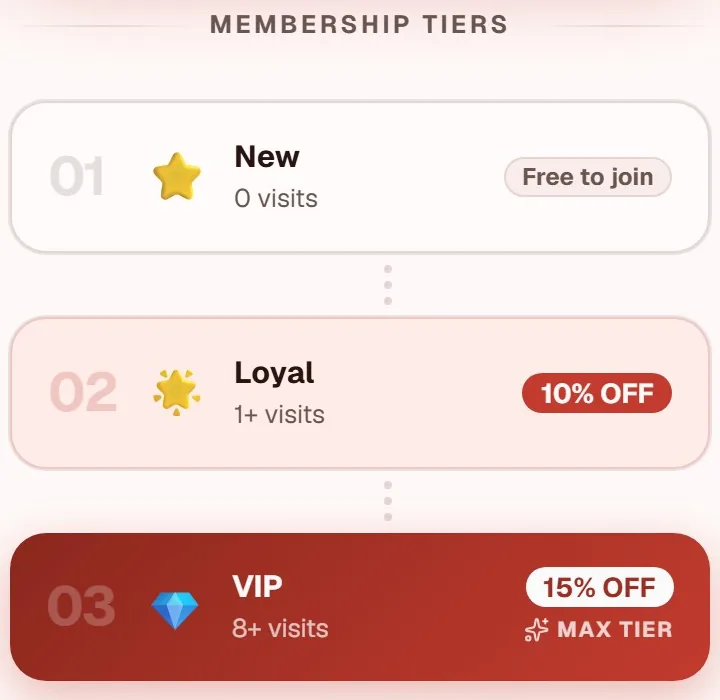
The earned model is by far the most common digital format among independent owners, and it is what most web-based platforms are built for: the guest scans a QR code, the stamp is recorded, and everything is logged digitally with no paper, no physical card, and no expiry dates to manage. Our own punch card app is built around that earned model, which is why setup takes minutes rather than a payment integration project.
A digital clip card is a different animal. It requires a platform with payment handling and a balance function, typically with a proper payment component built in. It is more complex to set up and usually requires a dedicated feature, not just a modified stamp logic. That complexity is the real reason most independent businesses that want prepaid bundles still sell them on paper or through their booking system.
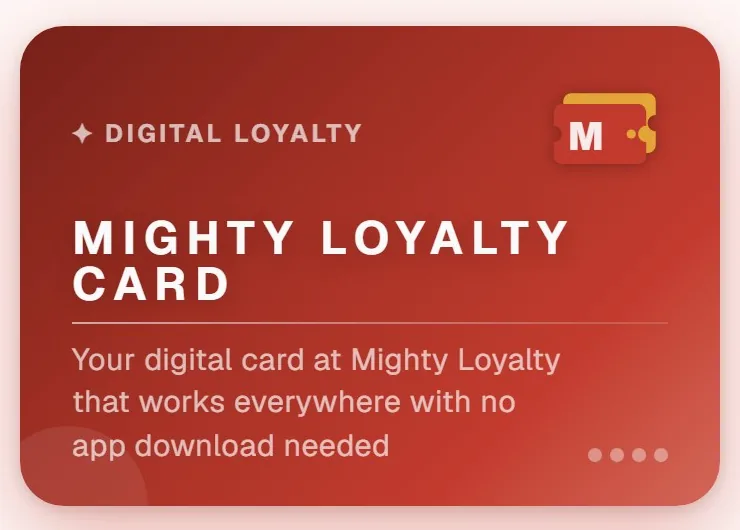
If you want to see what a modern web-based earned card looks like from the guest's side, try the live demo at loyalty.maiya.dk. MightyLoyalty is a web-based app with no download required.
For a breakdown of what the digital solution actually costs, our loyalty app pricing guide covers the pricing models from the ground up.
Can you run both at the same time?
It is possible, but it requires sharp communication. Imagine a cafe that offers a stamp card to all guests and a clip card to those who want to buy a bundle of coffees in advance. The two products have different logic, and staff who are not crystal clear in their explanations risk confusing guests. The classic failure is a guest who believes her prepaid clips also earn stamps, and feels short-changed when they do not.
For most independent owners, the recommendation is to choose one model and run it well for six to twelve months before considering a second. Two products side by side is rarely necessary from the start; it makes more sense as an advanced step once you have a clear picture of what your guest base actually uses.
If you want a broader view of how digital formats compare to traditional paper versions, our article on digital stamp cards versus paper cards is a good place to start.
Frequently asked questions
Is a clip card the same as a stamp card?
No. A clip card is a prepaid bundle: the guest pays now and redeems the clips over time. A stamp card is an earning model: the guest collects stamps and receives a reward after the fact. Both drive repeat visits, but through very different psychological and commercial logic, and they sit on opposite sides of your cash flow.
Can a cafe use a clip card digitally?
Yes, but it requires a platform with payment handling and a balance function. Many web-based loyalty platforms are built primarily for the earned model, not for prepaid bundles. Always check whether a platform supports prepayment before committing, and ask specifically what happens to an unused balance if a guest stops coming.
What is recommended for a cafe that has never had a loyalty program?
The earned model. It has the lowest barrier for the guest, requires no upfront payment, and is the format most digital platforms handle best. Start simple with eight to ten stamps for a free drink, and review after three months. You can always add a prepaid bundle as an additional product later, once you have real data on what your guests actually use.