A loyalty programme for restaurants works differently from one designed for a café or salon. Restaurant guests visit two to four times a month, each visit costs more, and the decision to return is an active one, not a daily habit. This guide covers what a good programme requires and how to be up and running in a single day.
Restaurant loyalty is a different problem
A café competes for the daily coffee decision. A restaurant competes for the evening's choice: where are we eating this weekend? That is a deliberate decision, made less often and with higher expectations.
A satisfied guest is not automatically a regular. The goodwill from their last meal is genuine, but weeks pass before the next one. In the meantime, colleagues recommend a new place, Instagram surfaces an exciting opening, and the family wants to try something different. A happy guest has no concrete reason to choose you over the alternatives.
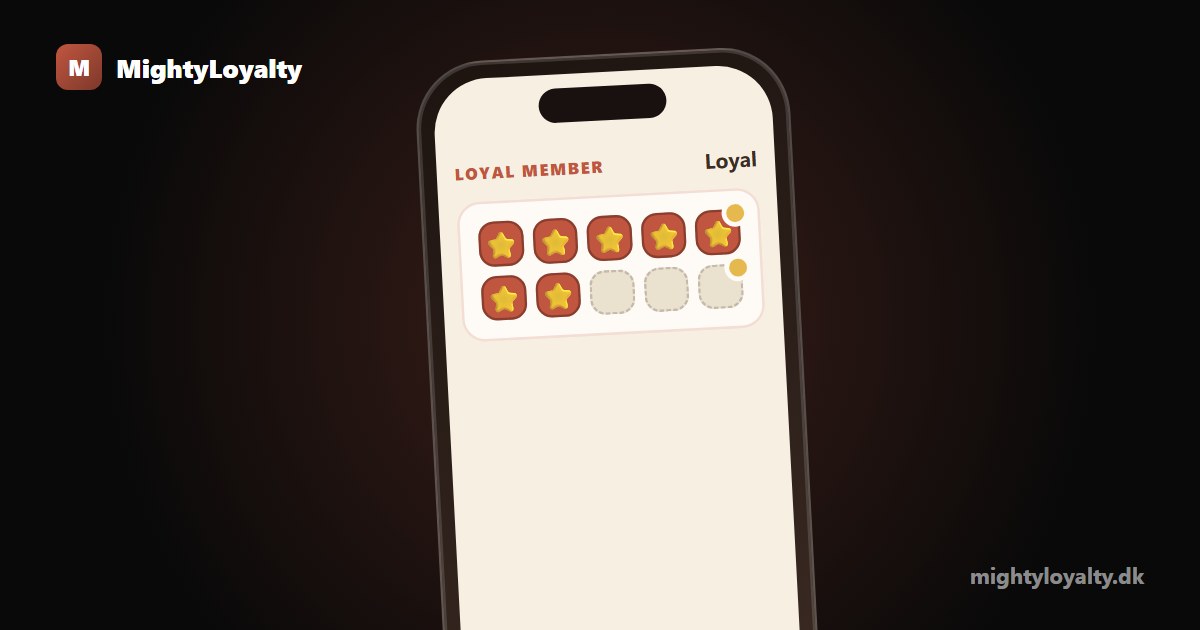
That is exactly what a loyalty programme solves. Imagine a family that visits your restaurant once a month. With a digital stamp card, they know that each visit brings them one step closer to a free starter. The goal is visible and personal, and it gives them a specific reason to come back to you rather than try something new.
The right stamp target for the restaurant rhythm
In a café, a stamp target of eight to ten visits works because a guest can reach it in two to three weeks. For a restaurant, the numbers need adjusting.
A guest who visits twice a month reaches a target of six stamps in three months. That is achievable and motivating. Set the target too high and the programme loses momentum before guests are halfway there. Set it too low and the perceived value drops accordingly.
For most restaurants, five to eight stamps is the right range. It creates a timeline that requires real effort but is realistic to reach over a few months for guests with a typical visit frequency.
A good reward needs to match the size of the occasion: a free starter, a free dessert, a glass of wine, or a fixed discount on the next bill. A free coffee is a natural reward in a café, but it feels out of place in a restaurant where the meal is a larger purchase.
For a detailed walkthrough of how to balance your stamp target with reward value, see Choose the Right Reward for Your Stamp Card.
Three reward types that work best
Free starter. High perceived value and easy to deliver as part of normal service. The server can announce it at the table: "You have reached your goal, here is your complimentary starter." It is a moment guests remember and talk about afterwards.
Free dessert or coffee. The end of a meal is a natural moment to redeem a reward. It gives the evening a memorable finish and is easy to coordinate with the kitchen.
Discount on the next bill. Simple to communicate and easy to use. It is not tied to a specific dish and works well if the menu changes with the seasons. Calculate whether the return visit offsets the discount before committing to it.
Avoid rewards with conditions that are hard to remember: a specific day of the week, a minimum spend, or a dish that is not always on the menu. The programme should be explainable in ten seconds at the table.
Your servers are the programme in practice
In a restaurant with table service, there are more natural openings to mention the loyalty programme than in a self-service café.
At the welcome, the server can drop it in briefly while handing over the menu: "Have you heard about our digital stamp card?" A single question, no sales pressure, and it sets the scene for the rest of the visit.
At the bill is the best moment. The guest is at peak satisfaction, the meal went well, and the phone is likely already out for payment. The server places the QR material with the bill: "Scan here to join and you will get your first stamp in under a minute."
On the way out: "Next time you visit, you will be one step closer to a free starter." That is one sentence that turns a good evening into a concrete promise of more.
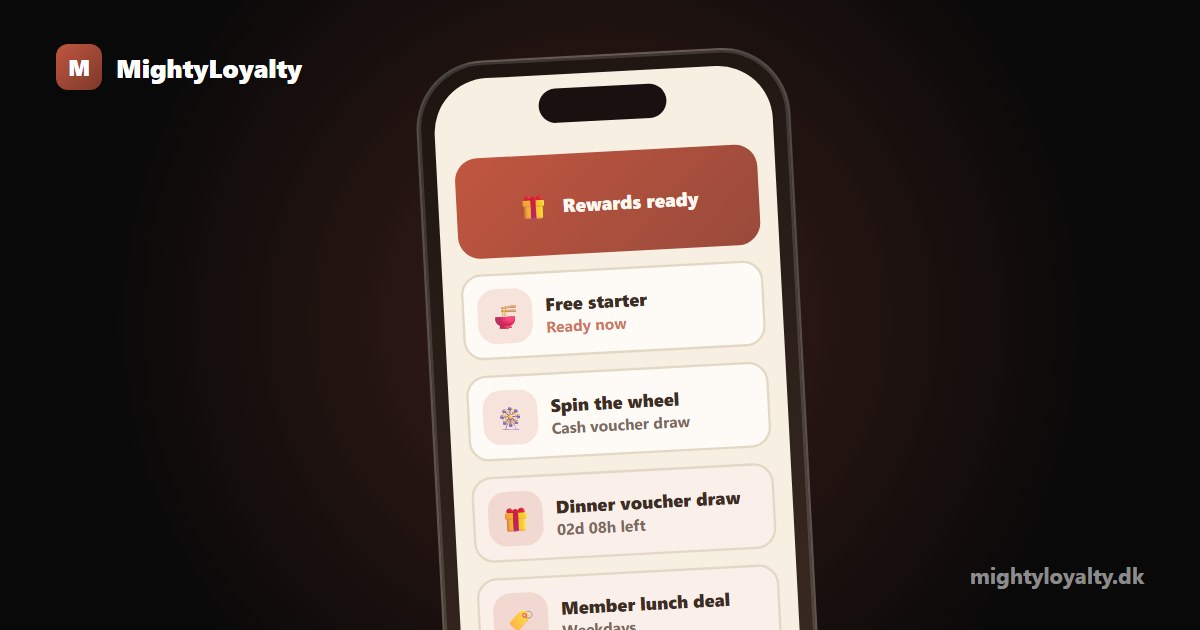
Servers add stamps through a simple web interface on their phone, with no access to the owner dashboard or guest data. It takes under ten seconds and requires no technical training. See Restaurant marketing that works in 2026 for a broader guide to what drives guests through the door in the first place.
From setup to the first stamp
Setup takes under an hour. You choose your stamp target, your reward, and the text guests see on their digital card. Then you print a QR poster for the tables and counter. Guests scan with their phone camera, the sign-up page opens directly in the browser, and you add the first stamp via the staff interface. No app download required for the guest or for you. You can see the guest experience live at loyalty.maiya.dk.
The Standard plan at 299 DKK/month gives unlimited stamps and an analytics dashboard. The Pro plan at 399 DKK/month adds a spin-the-wheel feature and advanced campaign tools. Both come with a 30-day free trial and no credit card required. If you expect lower traffic at first, the pay-as-you-go model at 5 DKK per stamp is a good starting point.
The full launch checklist is in Build a stamp card programme in one day.
Frequently asked questions
Does a loyalty programme need to integrate with my POS system?
No. A digital stamp card requires no integration with a POS or till system. Staff add stamps through a separate web interface and guests scan a QR code. The system runs independently and needs no technical setup beyond printing or displaying the QR material.
What happens if a guest forgets to scan during their visit?
You can manually add a stamp to a specific guest from your dashboard in a few clicks. Guests who contact you afterwards can be helped quickly, leaving them with a good experience rather than a frustrating administrative dead end.
When is the best time to launch the programme?
Choose a low-traffic day, such as an early weekday, so staff can practise the flow before things get busy. Make sure the QR materials are ready and that everyone knows the process the day before. The launch itself takes under an hour, and you can adjust the reward and stamp target at any time without downtime.