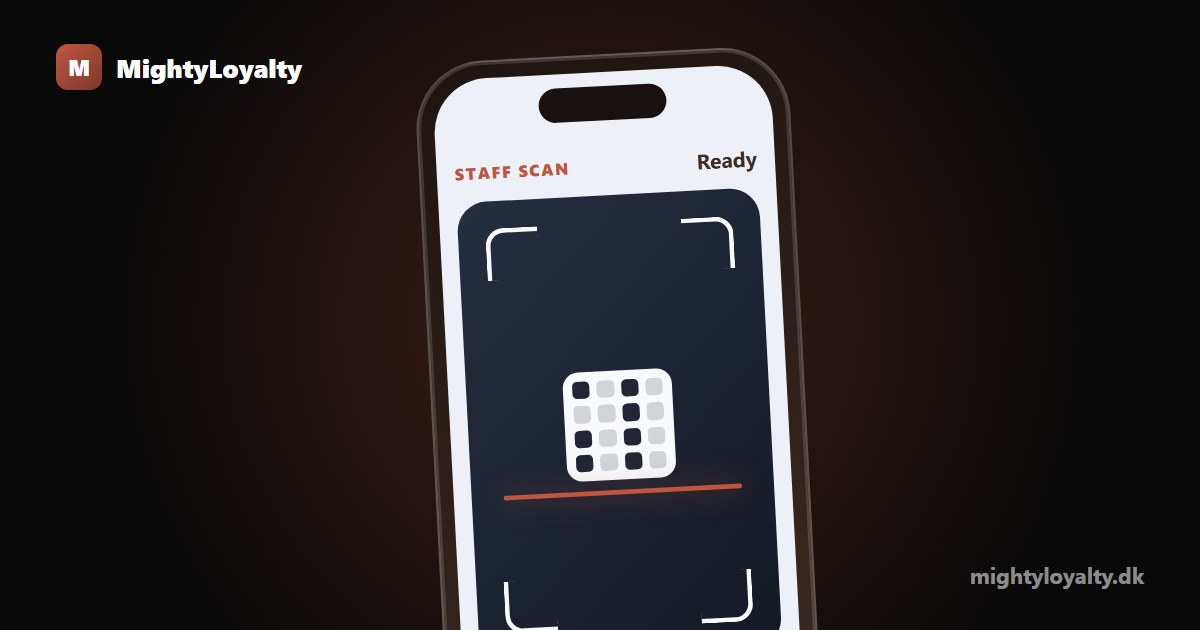
A loyalty programme is only as strong as the staff who remember to use it. Most programmes that fail to gain traction do not have a technical problem; they have a training gap. This guide shows you how to get your whole team up to speed in 15 minutes and keep the habit alive.
What goes wrong when staff are not on board
Picture a café that has set up a digital stamp card. The QR poster hangs at the till, the first customers have signed up, and the owner is looking forward to seeing the programme grow. Six weeks later there are only 12 active cardholders and the stamp card rarely comes up at the counter.
The problem is rarely the poster or the system. It is that staff do not ask. Not because they do not want to, but because it has not become a habit yet.
A loyalty programme is an offer for the customer, but it is the staff's job to deliver it. Customers do not think about the stamp card unless someone reminds them. That someone is the cashier, the barista, or the server.
The difference between a programme that grows and one that does not often comes down to one thing: whether staff ask or not.
The one phrase that makes all the difference
The whole training can be distilled into one phrase that staff say to every customer at the till:
"Do you have our stamp card?"
Five words. Not a sales pitch, just a friendly prompt. It is open, low-pressure, and gives the customer an easy way to say yes or simply shake their head. It does not ask for a sign-up; it just asks whether the customer knows about the programme.
If the customer says no, the follow-up is:
"Scan this and you are in. No app download needed; it opens straight in your browser."
Two sentences, six seconds, and the customer is either signed up or has opted out. That is the full interaction. Staff do not need to know more than this to contribute to the programme's growth.
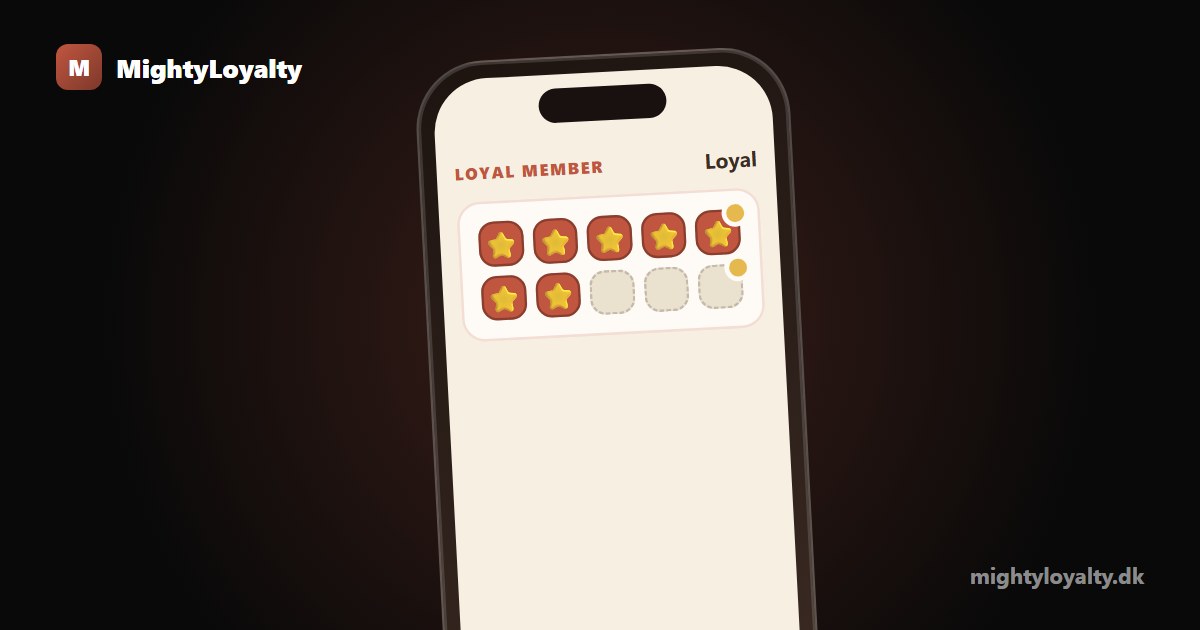
That is what the customer sees on their phone when they collect stamps: a clear step towards a reward they can track between every visit.
The 15-minute training plan
Here is a concrete plan for the first time you introduce the programme to your team.
Minutes 1 to 3: explain what it is and what they need to do. Tell the team what the programme is: customers collect stamps on each visit and earn a reward when they reach the goal. Staff scan the customer's QR code on the staff phone, it takes five seconds, and the customer is on their way. Keep it brief. They do not need to understand the technology to use it.
Minutes 4 to 7: show it on screen. Pull out the staff scan phone and open scan mode. Tap "Scan stamp", hold the screen up to a customer QR code, and show that the stamp registers instantly. Let everyone try it once if time allows.
Most employees remember what they do themselves better than what they watch others do. One hands-on minute at the screen is worth more than five minutes of explanation.
Minutes 8 to 10: practise the phrase. Say it yourself first: "Do you have our stamp card?" Ask the team to repeat it. It sounds obvious, but it helps make the sentence something they can say naturally and without hesitation in a busy till moment. Discuss when it makes sense to ask: typically just before or during payment, not in the middle of taking an order.
Minutes 11 to 13: cover the two most common customer questions.
Customers usually ask:
- "Do I need to download an app?" Answer: "No, it opens straight in your browser."
- "What do I get?" Answer: "Collect [number] stamps and get [reward]. It is free to join."
That is all most customers need to hear. Staff do not need a long explanation ready.
Minutes 14 to 15: agree on a follow-up. Make a plan for the first week. Check in with the team: "Are you remembering to ask about the stamp card?" Not to monitor them, but to keep the habit alive in those first critical weeks.
A small reminder at the till helps, for example a sticky note reading "Asked about the stamp card today?" It does not replace the conversation, but it works as a quiet nudge.
For the full guide to setting up the programme itself, see Create a stamp card programme in one day.
What to do if staff are uncertain
Someone on the team may have doubts. Here are the common objections and the answers to them.
"What if the customer does not want it?" That is fine. The answer to "Do you have our stamp card?" can always be a no, and you move on. The programme is an offer, not a requirement.
"What if I forget?" It is normal to forget occasionally in the first few weeks. The habit builds gradually, not from day one.
"What if there is a queue?" The phrase takes two seconds to say. A busy queue is a reason to ask quickly, not to skip it. Most customers respond faster than you might expect when the question is short and clear.
No one on the team should feel this is a source of stress. It is a question at the till, not a sales task.
Keeping the habit alive in the first weeks
The first two to three weeks matter most. This is when habits form, and when most programmes either pick up momentum or quietly stall.
Check the stats in the owner dashboard once a week: how many new sign-ups are there? How are stamp counts trending? Not to put pressure on the team, but to know whether you are on track and whether a quick refresher is needed.
Make sure your QR poster is in the right spot. You can read about the placements that drive the most scans in QR poster placement: the spots that work best.
If you want to combine your team's efforts with other strategies for building a loyal customer base, you will find practical ideas in Get more regulars: 7 tactics that work.
Frequently asked questions
Does every team member need their own login?
Usually not. Staff access to a digital stamp card is designed to work with a shared log-in on a shared staff phone, or via a PIN that employees use on their own devices. What matters is that access is easy, so scanning does not become an extra step anyone has to think about.
What do we do if a customer has a problem with their stamp card?
Ask the customer to show their QR code and confirm you can see it in scan mode. If the card does not respond, ask them to open it again from a fresh browser tab. Most issues are a temporary connection glitch and resolve with one more attempt. If the problem persists, note the customer's name and give them a manual stamp to register later.
How long before staff feel comfortable with the system?
Most employees are comfortable with scanning after three to five interactions with a real customer. It is not much different from learning a new point-of-sale system: the first attempt is the hardest, and the rest becomes routine. Do not expect perfection from day one; expect people to try.