Starting a punch card loyalty program sounds like a project, but most businesses are up and running in under an hour. You need no technical experience, no point-of-sale integration, and no app developer. This guide walks you through each step: from the first decision to the moment the QR poster sits on your counter.
What is a punch card loyalty program?
A punch card loyalty program is a simple agreement with your customers: visit ten times and earn something free. The classic paper card with punches or stamps has been around for decades, and it still works because the idea is immediately clear to everyone.
The digital version runs on the same principle, but without the friction. Customers scan a QR code at the counter, and the card opens directly in their browser. No download, no password to remember. In return, you gain the visibility that paper never gave you: who is signed up, when they last visited, and which rewards have been redeemed.
For a deeper look at what to compare when choosing a solution, read our guide to punch card apps.
Step 1: Decide on your reward
The reward is what motivates customers to participate. It needs to feel worth waiting for, while still making commercial sense for you.
The most common rewards in cafes, restaurants, and salons:
- Free product: a coffee, a pastry, a free starter, or one menu item.
- Discount on the next visit: 20 to 30 percent off the bill or a fixed amount.
- Upgrade: a larger size, an add-on, or a special treatment.
Imagine a cafe offering a free coffee after ten purchases. The customer knows from day one exactly what is waiting. It is concrete, easy to explain, and staff can describe it in one sentence. That is exactly what you want.
A useful rule of thumb: the reward should have a perceived value that is higher than its actual cost to you. A coffee that costs you a couple of pounds to make, but that the customer experiences as a genuine gift worth several times that, sits close to ideal.
Keep the reward description short. "Free coffee after 10 visits" beats a long sentence with conditions attached.
Step 2: Set the stamp goal
The stamp goal is the number of visits required to earn the reward. The balance matters: too low and you give away too much; too high and customers stop believing they can ever get there.
A practical rule of thumb: choose a number your typical customer can reach within two to three months. Five to ten stamps works well for businesses with frequent visits. A hair salon where customers come every six weeks might work with four to six; a cafe with daily regulars can go up to ten.
Start lower rather than higher. You can adjust upward once you see how quickly people actually collect stamps. Raising the goal later is much easier than lowering it, because a reduction can feel like moving the goalposts on customers who are already partway there.
Step 3: Build and customise the card
Once the reward and stamp goal are in place, it is time for setup. The digital stamp card should reflect your brand: your logo, your colours, not the platform's.
What to have ready before you start:
- Your logo (a JPG or PNG is fine)
- Your primary brand colour (a hex code or a colour sample)
- Your business name and a short description of the reward
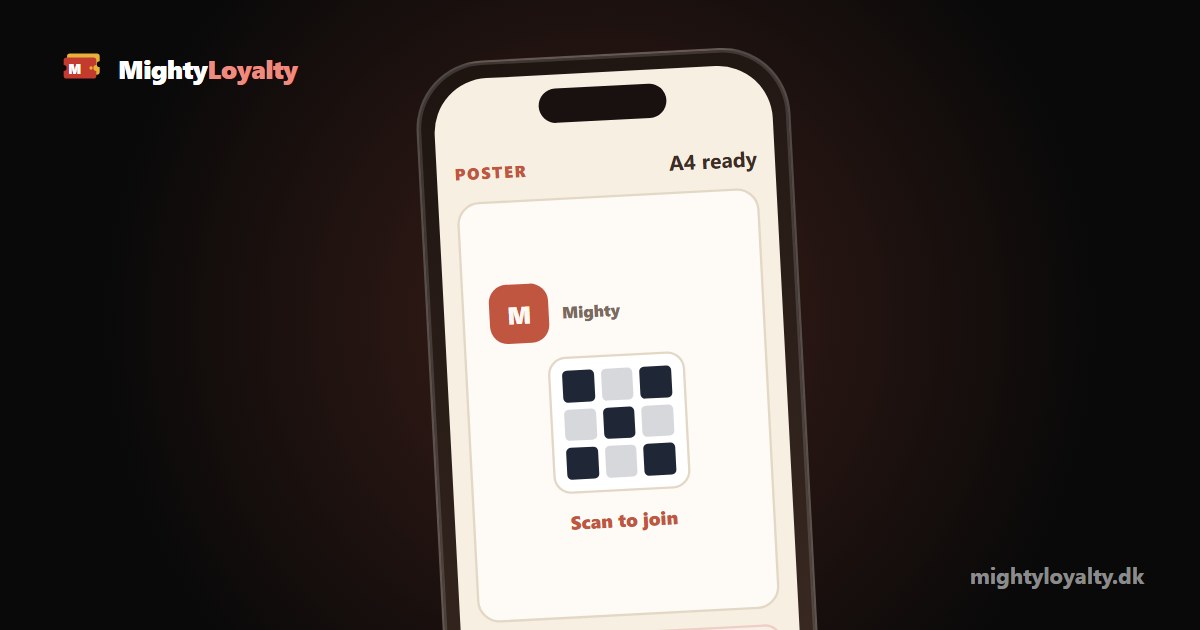
Most platforms walk you through these steps in a simple flow. You pick the design, write the reward description, and set the stamp goal. A QR code and a printable poster are then generated automatically, ready to put on the counter. Our punch card app page shows what that setup produces, so you know what the card, the poster, and the dashboard look like before you start.
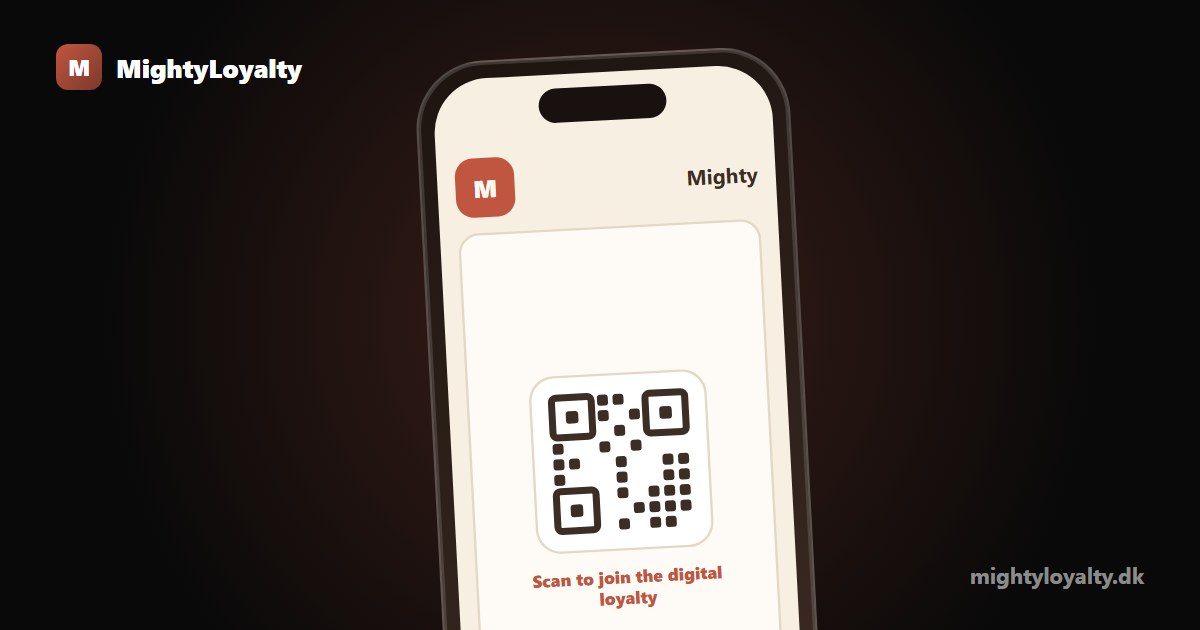
The whole process typically takes five to ten minutes if you have the logo and colour ready in advance.
Step 4: Brief your team
Even the best punch card program fails if the team does not use it. The good news: it takes only a few minutes to demonstrate, and there are really just two things staff need to know.
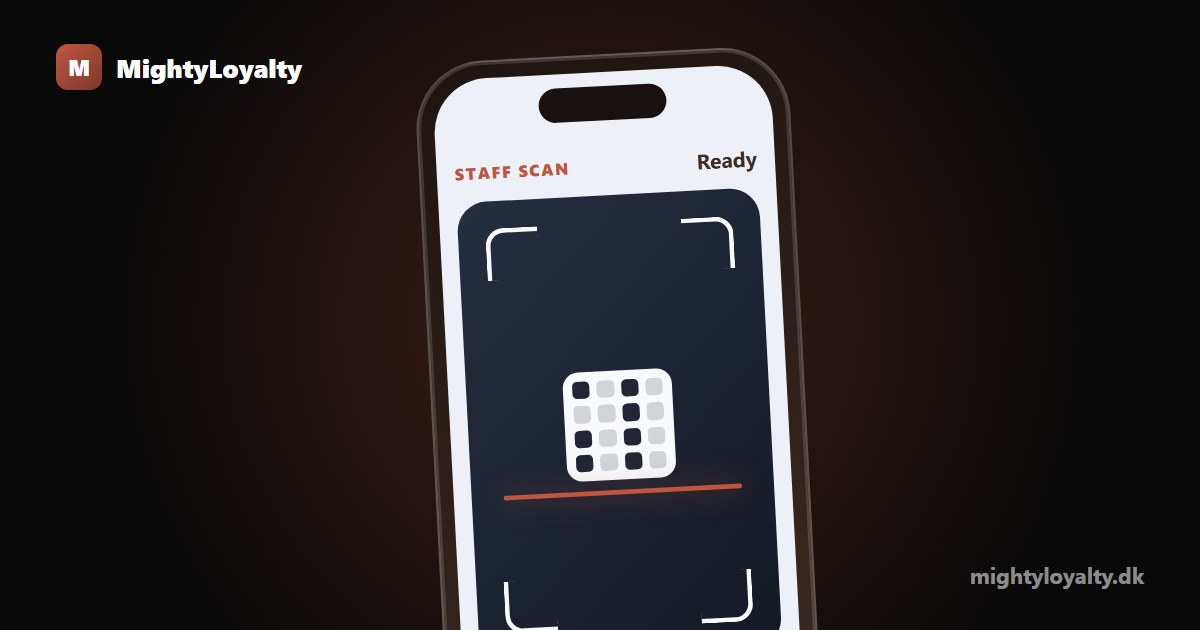
- How to stamp: They open the staff scan screen on a device at the counter (a phone or a tablet), and the customer holds their QR code up to the camera. One tap, one stamp.
- What to say: A single sentence covers it. "Do you have our stamp card? Scan this QR code and start collecting towards a free [reward]." That is all.
The key point: staff need to ask actively, not passively. Not "we have a loyalty card if you want one" but "do you have one already?" That small shift in wording makes a real difference to the sign-up rate.
Keep the initial briefing to five or ten minutes. Show it in practice, let everyone try it once, and leave a short written note with the two steps so they can look it up later if needed.
Step 5: Put the poster out and tell people
The launch is mostly about visibility. Customers will not sign up for something they do not know exists. The tactics that work best in the first week:
- QR poster at the counter. Position it where customers wait for their order. The cash desk and the exit are the two best spots.
- Ask directly. Invite the first twenty or thirty customers in person. That creates early momentum and signals to the team that this is being taken seriously.
- Lead with the reward. "Seven of ten stamps and your next coffee is free" lands better than "we have a loyalty programme".
The poster is your most important tool at the start. Make sure it is at eye level and not hidden behind a menu stand, a cake display, or a product rack.
To see how a real business ran its launch, read the Maiya Nepali Kitchen case study.
What happens next?
Once the programme is live, the most important thing is to let it run and check the numbers after two to three weeks. A good digital stamp card gives you a view of visit frequency, sign-ups, and redeemed rewards so you can see whether anything needs adjusting.
Lots of sign-ups but few rewards redeemed? The stamp goal might be too high. Rewards redeemed very quickly? Consider raising the target in the next period.
A punch card loyalty program is not a set-it-and-forget-it system. The two or three small adjustments in the first quarter are what separate a programme that quietly fades from one that keeps building. To see how loyalty fits into your broader marketing, read our guide to restaurant marketing in 2026.
Frequently asked questions
What should I choose as a reward if I am unsure?
Pick your most popular, low-cost product: the classic coffee, a pastry, or a single menu item. It is easy to communicate, everyone understands it immediately, and the cost to you is low compared with the perceived value for the customer. You can always add more sophisticated rewards later once you have seen what motivates your specific customers.
Can I change the reward or stamp goal after I have launched?
Yes. Customers who already have stamps keep them, but future visits count under the new structure. It is good practice to give advance notice of the change, around a month if possible, so no one feels they have lost something they had already earned.
What does it cost to get started?
Standard is 299 DKK per month and covers a full digital stamp card programme with QR poster, dashboard, and unlimited stamping. Pro, with personalised offers and advanced analytics, is 399 DKK per month. Both can be tried free for 30 days with nothing charged until day 31. If you prefer to pay per interaction rather than a subscription, there is a pay-as-you-go option at 5 DKK per stamp.