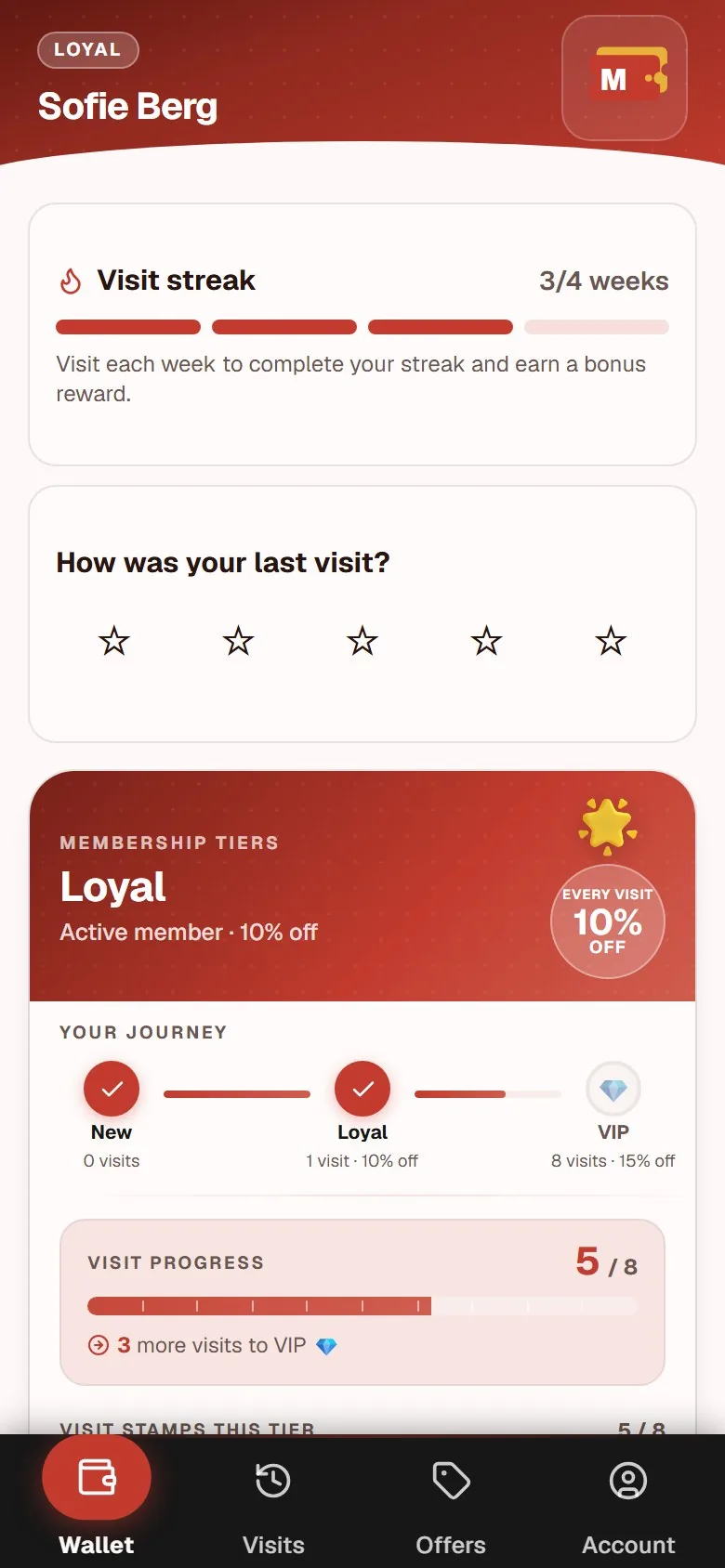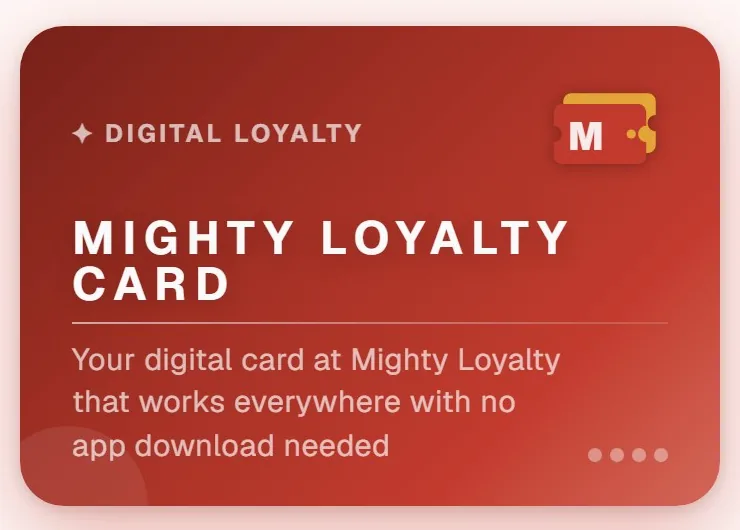
The plastic loyalty card looks professional and fits in a wallet, but most guests already carry eight to ten cards, and yours quickly ends up behind the bank cards at the back. That is the problem with plastic: once you hand it over, you lose visibility and the card works against you. A mobile customer card starts from an entirely different place, on the device your guest already has in hand.
The plastic card: professional look, fragile reality
A plastic card is easy to hand out. Guests know the concept immediately. The challenge begins the moment you pass it across the counter.
Guests forget it at the next visit. Cards get lost, shared with friends, or left behind because the wallet is full. If your program or branding changes, you need a new print run. Most critically, the card knows nothing about its owner. You can see that you handed out 200 cards, but you have no idea who is using them, when they last visited, or whether the rewards are actually being redeemed. You are running a loyalty program without any feedback.
The mobile card: always in the guest's pocket
The phone comes along even when the wallet stays home. That is the foundation of why a digital loyalty card on mobile is a fundamentally different experience.
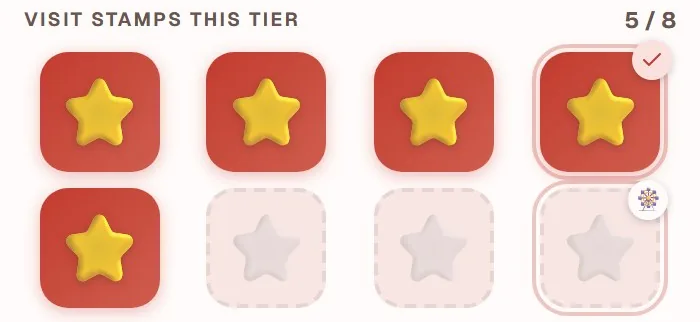
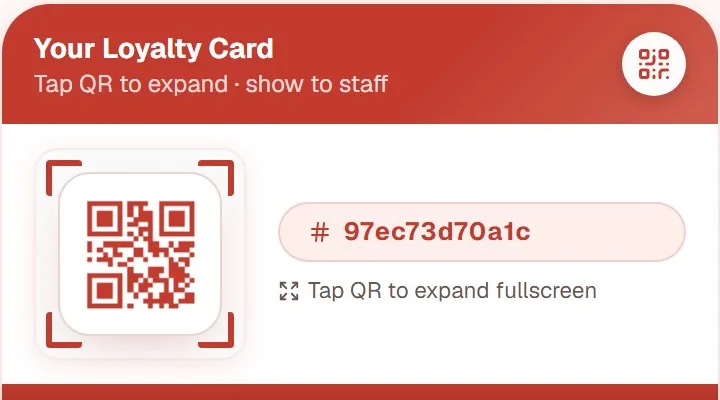
Sign-up happens via a QR code at the counter. The guest scans, creates an account with their phone number, and is active in under a minute. The card saves as a shortcut on the home screen and opens again at every visit, with no download and no App Store required. The guest shows their QR code, the staff member scans, and the stamp is recorded.
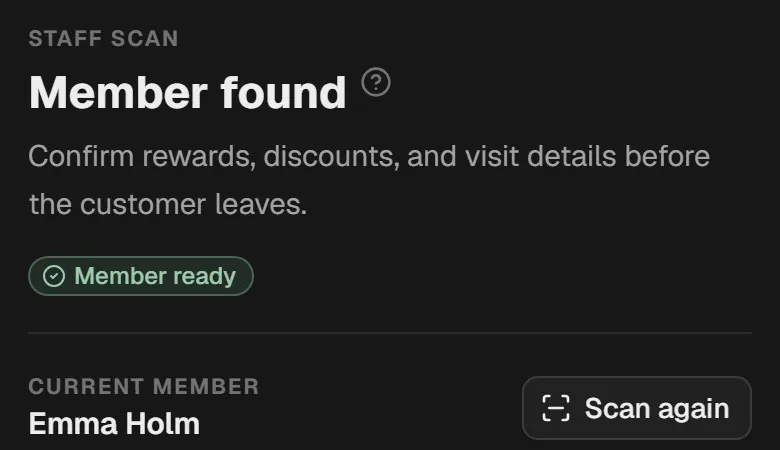
There is no paper to lose, no plastic wearing out a wallet slot, and no password to remember. The guest is always two taps away from showing their loyalty card.
For a full point-by-point look at how digital compares to paper-based cards, see our comparison of digital stamp cards and paper cards.
Data: what the plastic card can never give you
This is the decisive difference for you as an owner.
A plastic card is anonymous. You know the guest received one, but you do not know when they last used it, whether it is still in the right pocket, or whether the reward is compelling enough to bring them back.
A digital loyalty card is personal. Behind every stamp is a guest with a history. You can see when someone last visited, how many active card holders you have this month, and which rewards are actually being redeemed. No rewards being used? That is a signal to adjust them. A group of regulars missing for three weeks? You can act on that.
Imagine a restaurant with 120 active card holders. With plastic, you know 120 cards were handed out. With a digital loyalty card, you know that 78 were active last month, and 19 are within two stamps of a reward. Those are two entirely different starting points for running a loyalty program.
For a look at what different types of solutions cost, our guide to loyalty program pricing breaks it down clearly.
Sign-up: what works at the counter
Plastic cards have one advantage at the point of hand-over. The staff member extends the card, the guest accepts it. Five seconds.
But sign-up is not the same as active use. The real test is whether the guest remembers the card at the next visit. That is where plastic loses its advantage: if the wallet is not there, or the card is in another jacket at home, the moment is gone.
With a digital loyalty card, the process at the counter is slightly heavier the first time: the guest must scan and create an account. That takes more than five seconds. In exchange, they carry the card with them whatever they are wearing that day. It is a 30-second investment that removes the need to remember a physical card for the rest of the program.
You can find a full overview of what to look for in a solution in our guide to stamp card apps.
The switch is not a big project
If you are already running plastic cards, the change does not need to be a major undertaking. You set up the digital program, print a QR poster, and put it at the counter. Staff need a five-minute introduction to the scan screen. Existing card holders can have their stamps transferred so nobody starts from zero.
At MightyLoyalty, Standard starts at 99 DKK per month and includes unlimited stamps, a sign-up screen, QR poster, and owner dashboard. Pro at 249 DKK per month adds email marketing, automations, push, and advanced analytics.
To see how a digital loyalty card works in practice for a restaurant, read our complete guide to restaurant loyalty programs. For a full picture of what the stamp card includes from both the customer's and owner's side, visit the stamp card app page. For a complete overview of the customer loyalty card as a category, covering digital versus physical formats, what each platform includes, and how pricing compares, see our customer loyalty card guide.
Frequently asked questions
Do my guests need to download an app to use a mobile loyalty card?
No. A web-based solution opens the card directly in the guest's browser when they scan the QR code at the counter. There is no download and no App Store involved. The guest can save a shortcut to their home screen, but that is optional.
What happens if a guest loses their phone?
Stamps are tied to the guest's account, not to the phone itself. When they get a new device, they simply log in again and all stamps and rewards are there. The same applies when switching from Android to iPhone.
Can I keep running plastic cards alongside the digital program during a transition period?
Yes. You can run both systems in parallel while the existing plastic cards are used up. Guests who hand in their old card can have their stamps transferred to the new digital account, so no one starts from scratch.