Restaurant marketing no longer requires a chain's advertising budget. The tactics that actually move the needle for an independent restaurant, café, or salon in 2026 are affordable and built on something you already have: your own guests. Here is a practical look at the channels and habits worth your time.
Your best marketing channel is called regulars
Most owners think of marketing as a hunt for new guests. That is understandable, but the return is rarely there. A guest who has visited your business three or more times costs far less to keep than to replace with a stranger. Regulars recommend you to friends, leave reviews, and fill tables on quiet Tuesdays because they have already chosen you.
Marketing to existing guests is the highest-return place to start. It does not require a big budget; it requires a consistent way of staying in touch.
A loyalty program is the foundation
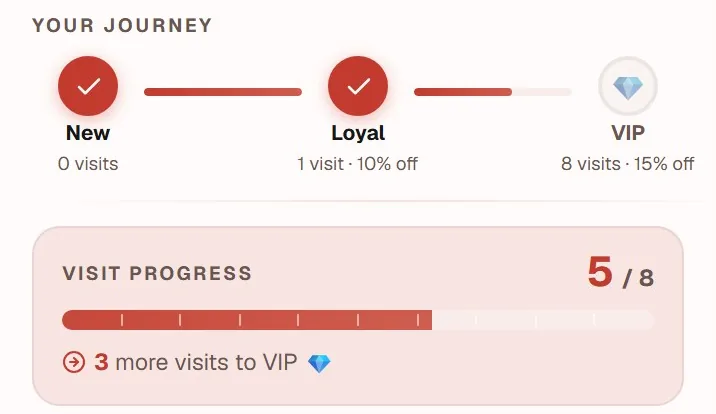
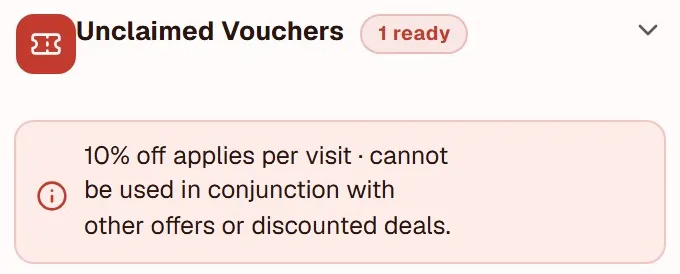
The classic answer to "how do I stay in touch with my guests?" is a loyalty program. Not because stamps are magic, but because a loyalty program gives you something you would otherwise lack: a list of your guests and a reason for them to come back.
Imagine a café with 60 daily guests and a digital stamp card. Guests sign up on their first visit, and each visit is recorded. You now know who has come in three times this month, and who has not visited in six weeks. That knowledge is something you can act on; without it, you are left shouting at everyone and hoping the right people listen.
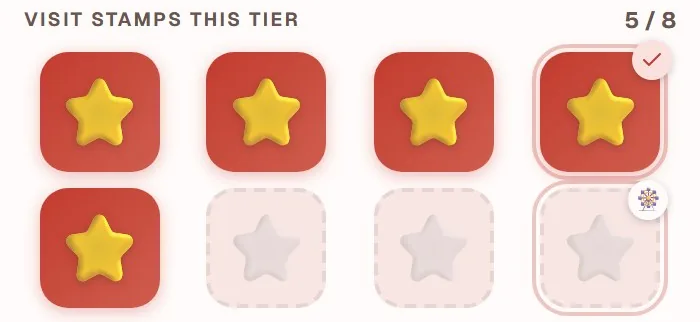
A digital stamp card starts from 99 DKK per month, with no setup fee and no binding period, and you cancel in the portal yourself. To see exactly what a guest sees from the QR code to the finished card, visit our stamp card page. To see what to look for when choosing one, read our stamp card app guide.
Social media: keep it simple and consistent
Instagram and Facebook are the first place many guests check your business before deciding. They look for atmosphere, food, and opening hours, not sales copy. For a restaurant, the purpose of social media is to confirm that it looks good there, rather than to persuade anyone.
A few practical tips:
- Show the food, not the advert. A photo of a fresh dish in natural light beats a designed graphic on most days.
- Go behind the scenes. Photos of the team, the morning delivery, or the moment dessert leaves the kitchen give your business a human voice.
- Be consistent rather than active. Two to three posts a week in a matching style beats daily posts across every format.
- Reply to comments. A review or question left unanswered reflects badly. Set aside twenty minutes each week to respond.
You do not need to be on every platform. Pick one and do it well. For a step-by-step guide to what to post, how often, and how to turn Instagram followers into paying regulars, see our Instagram guide for restaurants.
Google: be found before the hunger hits
Many guests choose a restaurant by searching "sushi nearby" or "café open Sunday". The first results are almost always Google Maps and Google Business Profile listings. If your profile is not set up properly, you lose guests to neighbours who have done it.
The key things to have in order:
- Up-to-date opening hours. Especially important around public holidays or schedule changes.
- Replies to reviews. Google favours active profiles.
- Recent photos. Profiles with regular food and interior photos perform better.
- Specific category and description. "Nepalese restaurant" and "café with brunch" are search terms; "restaurant" alone is too broad.
Asking satisfied guests for a review is the easiest way to improve your ranking. A simple "If you enjoyed your visit, we would really appreciate a Google review" at payment goes further than most people expect.
E-mail and notifications to your regulars
If you run a loyalty program, you have a list of guests who voluntarily shared their contact details with you. That is valuable. Most businesses forget to use it.
A simple, effective e-mail recipe for a busy owner:
- A welcome message sent automatically when a guest joins. Who you are, what to expect, and when the reward is waiting.
- A monthly update with what is happening: a new dish, extended hours, an offer during the quiet period.
- A re-engagement message for guests who have not visited in eight weeks: a small reason to come back in.
This is not a newsletter with ten sections. It is three short e-mails matched to the three natural stages of a guest's relationship with you.
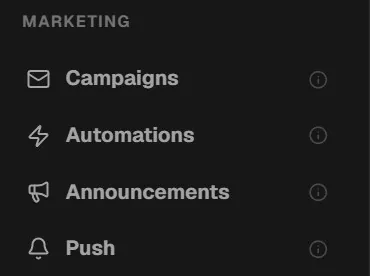
Push notifications complement email well: a short message on the lock screen at 11:00 about a lunch offer reaches guests while their midday decision is still open. Our guide to push notifications for restaurants covers when it makes sense and what to send.
Data: know whether it is working
One of the quiet benefits of a digital loyalty program is being able to see whether your efforts are paying off. Are repeat visits increasing? Which week brought the most new sign-ups? Which rewards are actually being redeemed?
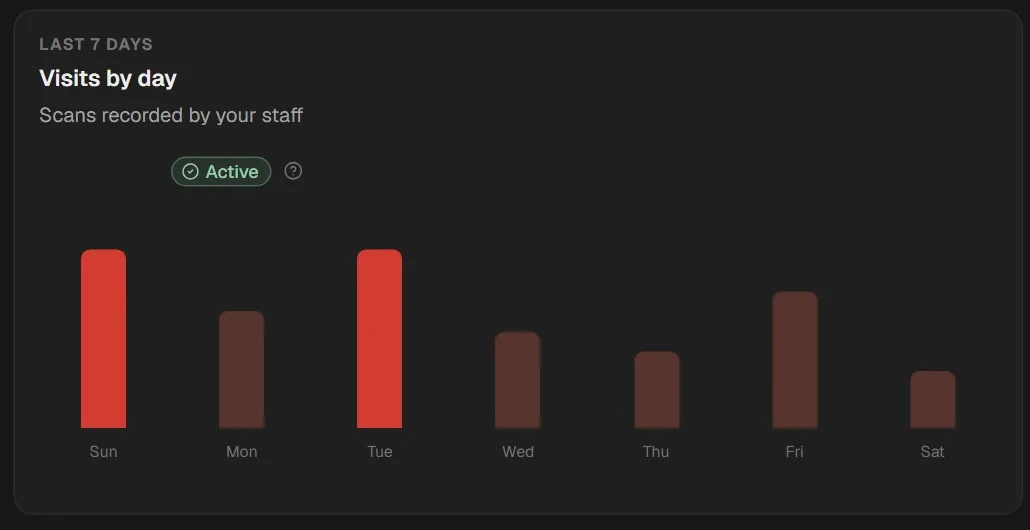
Without data, marketing is guesswork. With a simple overview, you can adjust: tweak the reward if it is rarely claimed; run an offer on a slow day and see if it moves anything. To see what this looks like in a real setting, read our Maiya Nepali Kitchen case study.
A weekly routine that holds
Marketing does not need to take many hours each week. A simple routine might look like this:
- Monday: Post a photo from the weekend or this week's dish on Instagram.
- Wednesday: Check Google reviews and reply.
- Friday: Look at loyalty data: any guests close to a reward? Anyone who has gone quiet?
- Monthly: Send a short e-mail to your guest list.
Imagine doing that consistently for three months. You will have 12 posts, replied to every review, and sent three e-mails to people who actively chose you. That is not a big campaign; it is systematic presence.
If you are wondering whether a digital or physical stamp card fits your business best before you start, read our comparison of digital and paper stamp cards.
Frequently asked questions
What is the most important thing to prioritise when starting with restaurant marketing?
Start with your Google Business Profile and a simple loyalty program. The profile ensures new guests can find you; the loyalty program ensures that those who have already visited have a reason to return. These two actions give the best return relative to time and money.
Should I spend money on paid advertising?
Not at first. Organic presence on Google and social media combined with a loyalty program will typically deliver better results per krone spent than advertising, before you have a base of regulars and know what works for your business.
How long before I see results?
With a consistent effort, you will typically start seeing increased visit frequency from existing guests within four to eight weeks. Google rankings take a little longer: allow two to three months before the improvement becomes significant.