Buying a cafe gets you the equipment, the lease and the name, but the regulars are not in the sale agreement. They come because they know the place, and the first weeks under a new owner are when they decide whether they still do. This is a plan for your first 30 days: what to leave alone, what to tell your guests, and what to do with the stamp cards already in people's wallets.
The regulars are the most valuable thing you bought
A cafe with regulars has something a brand new cafe spends months building: people who come back without being reminded. That is often a large part of why the place was worth buying. But the value is not in the till or the espresso machine. It lives in a habit your guests have, and a habit is fragile when everything around it changes at once.
The usual mistake is not bad coffee. It is the new owner changing the menu, the interior, the prices and the team in the same month, because they arrived with a vision and a lot of energy. To a regular, that looks like a different place entirely, and then they are just as free to try the cafe on the corner. If you want a sharper picture of who counts as a regular and when a guest becomes one, see what a regular customer is.
Hold the big changes
Give yourself one rule: for the first four weeks, change as little as possible of what guests can see. Spend that time learning who comes in, when, and what they order.
Keep | Can wait |
|---|---|
| The regular dishes and drinks | A new menu and new prices |
| The opening hours | New opening hours |
| Staff the guests know | A new interior |
| Promises on the old stamp cards | A new name or logo |
The regular dishes and drinks. Ask the previous owner and the staff what the regulars order. The cake that only sells ten slices a week might be the reason ten people walk in. Drop it in week one and you lose them before you have learned their names.
The opening hours. The guest who stops by at 7:15 every morning on the way to the train has no other option with you if you start opening at 8.
The familiar faces. If staff come with the business, keep the people the guests know, at least through the transition. They know that the man with the bike takes a double espresso, and they can introduce you. If the team has to change, let it happen gradually.
Once you know your guests, you can change things with a clear conscience. You will know who a change affects, and you can tell them before it happens.
Tell your guests you are new
Regulars notice a new face behind the counter, and they wonder what it means. Answer the question before they ask it. A small sign at the till and a few words over the counter are enough: "I have taken over from Jens. The coffee and the cakes are the same, and I would like to get to know you."
It works for three reasons. It removes the uncertainty about what is happening to the place. It gives you a natural reason to ask a guest's name and habits. And it shows you take them seriously, which is exactly what a regular needs to feel. In an international neighbourhood in Copenhagen, say it in both Danish and English, on the sign and at the counter. How to train a team to greet and remember regulars is covered in staff training for a loyalty program.
What to do with the old stamp cards
Plenty of cafes have a stamp card in circulation when they change hands. Guests carry half full cards and will ask whether they still count. The answer should be yes.
Who is liable for the old promises can be a grey area legally, and it is worth agreeing with the seller in the sale agreement. For the guest, though, it is simple: they paid for those coffees and they expect the reward. Refuse a card with eight of ten stamps and you save one free coffee while risking a regular. You never win that trade.
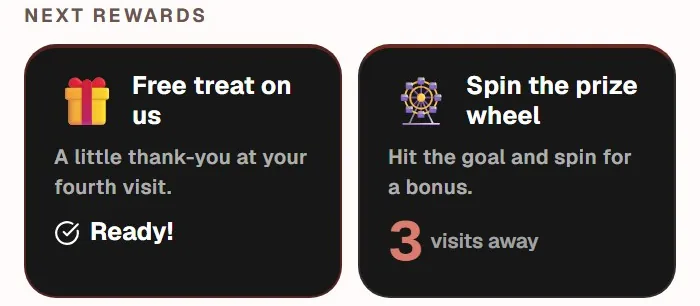
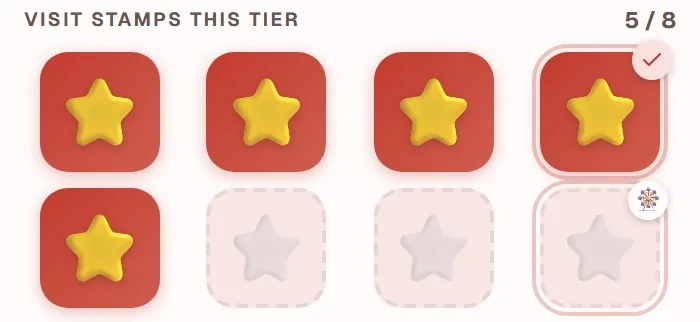
It is also a good moment to switch systems. If you are starting over anyway, the handover is the obvious time to move the stamp card onto the phone. Let guests show their old card, give them the same number of stamps on the new one, and keep the paper card. Nobody loses anything, and from day one you have a list of who your regulars actually are. The switch itself, step by step, is in how to switch from paper punch cards to digital.
If the previous owner had a customer list
If the cafe already ran a digital loyalty club, a newsletter or a list of email addresses, think before you write to anyone. Guests signed up with the previous owner, and whether you may use that list after a change of ownership depends on what they agreed to and what the sale agreement says. Ask an adviser if you are unsure.
The safest route is to let guests sign up again with you: a QR code on the counter and a short line explaining that the club has a new owner. Then you know everyone on your list said yes to you. What the data protection rules ask of a loyalty club is covered in the GDPR guide for loyalty programs.
Your first 30 days
Sign at the till, introduce yourself, write down the regular orders
Old stamp cards count, and new guests can sign up
The whole team knows the regulars and their habits
Pick one thing to change, and tell guests before it happens
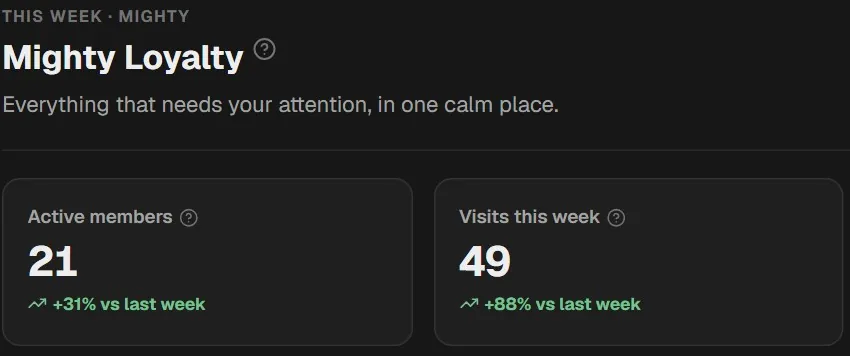
After four weeks you know your regulars well enough to change things without losing them. Change one thing at a time, and watch whether the regulars come in as often afterwards. A digital loyalty club makes that easy, because you can see each guest's latest visit. Here is how a free loyalty program for a small business works.
Frequently asked questions
Do I have to honour the previous owner's stamp cards?
Yes, if you want to keep the regulars. Agree with the seller in the sale agreement who carries the cost, but do not turn the guest away. A half full card belongs to someone who has already chosen your cafe, and a free coffee is a cheap way to keep them.
When can I change the menu after taking over a cafe?
Wait about four weeks. Use the time to learn what the regulars order so you know who a change affects. Then change one thing at a time and tell the guests it affects before it happens.
Can I use the previous owner's customer list?
It depends on what guests consented to and what the sale agreement says, so ask an adviser if you are unsure. The safest route is to let guests sign up again with you using a QR code at the counter.