A customer loyalty program is the most effective tool a small business has for turning one-time visitors into regulars. The setup is simpler than most owners expect: a digital stamp card, a worthwhile reward, and a QR code at the counter. This guide walks you through what a loyalty program actually is, what it costs, and how to get one running.
What is a customer loyalty program?
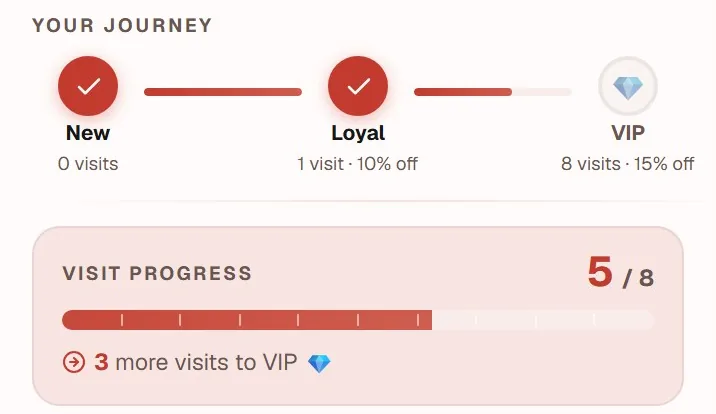
A customer loyalty program rewards guests for coming back. In its simplest form: the guest signs up, collects stamps on a digital card, and earns a reward when the card is full. No plastic card, no app download required. The guest scans a QR code at the counter, and the whole thing runs in their mobile browser.
A loyalty program is not the same as a one-off discount. A discount drives a single purchase. A loyalty program builds a habit: the guest returns because they have something to look forward to on the next visit.
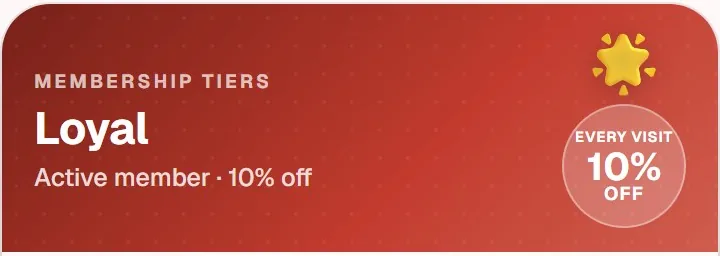
The term "loyalty program" covers a wide range. It can be a simple stamp card with a free coffee as the reward, or a more advanced setup with tiers, birthday bonuses, and seasonal offers. For most independent venues, the simple stamp card is the right place to start: easy for the guest to understand and easy for the owner to run.
What does a customer loyalty program cost?
The cost depends on which approach you choose. There are three main options:
Paper cards: Nearly free to print, but hard to track. You never know how many cards are actually redeemed, and you collect no data about your customers. Cards get lost or left at home.
Dedicated loyalty platform: A fixed monthly fee, sometimes with a per-stamp charge on top. MightyLoyalty is 99 DKK a month for Standard, about 13 EUR, or 249 DKK a month for Pro, about 33 EUR, with no setup fee and no binding period. See the full breakdown on the pricing page.
Integrated POS system: More expensive and requires technical setup. Relevant for multi-location chains, but overkill for most independent businesses.
Want a side-by-side comparison of what the models mean in practice? Read our honest look at what a loyalty program costs.
Three things every good loyalty program needs
1. A frictionless sign-up
If joining takes more than 30 seconds, a large share of guests will skip it. The best sign-up is scanning a QR code the guest already sees in your venue. No app, no download, no frustration at the counter.
2. A reward worth waiting for
A free coffee after ten visits works. A 5% discount rarely does, because it does not feel special enough to motivate repeat visits. Pick something you would be happy to hand over ten times a week and that a guest would mention to a friend.
3. Easy management
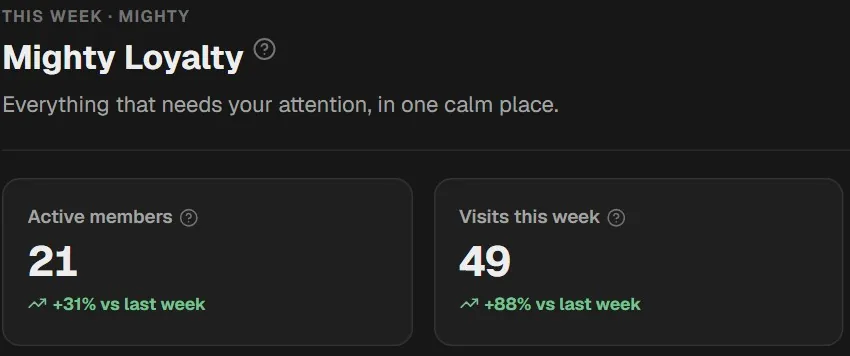
As an owner, you need to see what is happening without spending hours on it. A good system shows you visit frequency, active member count, and rewards redeemed at a glance on a dashboard. The data should help you make decisions, not overwhelm you.
How to start your loyalty program step by step
If you would rather see it all in one place, with the pricing and the setup spelled out, that is our free loyalty program page.
It is less daunting than it sounds. Many owners have a working loyalty program live within a day.
Step 1: Choose your platform
For most independent venues, a web-based loyalty platform is the right choice. A digital stamp card requires no installation on the customer side and works on every smartphone without exception. To see the full experience from the customer's first QR scan to a completed card, visit the stamp card app page.
Step 2: Design your stamp card
Decide how many stamps are needed to earn a reward. Eight to twelve stamps is usually the right range: enough that the guest visits more than once, but not so many that the goal feels out of reach. Choose a reward your guests will genuinely value and that you are comfortable giving.
Step 3: Set up the stamp flow
Staff scan the guest's QR code at payment. It takes three seconds and needs no extra hardware. Everything runs on the staff member's phone. The full setup guide is in How to create a stamp card program in one day.
Step 4: Promote at the counter
A QR poster or table card is what drives the first sign-ups. The guest asks: "What is that?" The staff member answers: "Scan the code and get your first stamp." Simple and effective. Place a card at every table and a poster next to the register.
Step 5: Review after 30 days
Check how many guests have signed up and how many have returned. Adjust the reward if redemption is low. Focus on counter visibility if sign-up is low. A loyalty program is not a set-and-forget tool: it improves over time as you learn what your guests respond to.
What happens after guests sign up?
The loyalty program does not stop at sign-up. The most important part is what comes after. Guests return because they have a goal to collect toward. Each visit brings them closer to the reward, and that creates positive anticipation on every subsequent visit.
With a digital system, you can see which guests are active and which have not visited in a while. That gives you a concrete basis for a targeted campaign, a bonus offer, or simply knowing when to give your retention a push.
Imagine a cafe with 80 regular guests per week. If 60 of them are enrolled in the loyalty program and you can see that 15 have not visited in three weeks, you have a clear starting point for action. Without the data, they are just "people who have not come in lately."
If you run a coffee shop, the cafe loyalty program guide runs through the same setup with the arithmetic that fits a small daily basket and a high visit count.
A digital program also opens the door to extras beyond the basic stamp card: a bonus stamp for first sign-up, a quiet-period offer, or a birthday message. These are layers you can add once the foundation is solid and working well.
Frequently asked questions
Is a loyalty program only worth it for big chains?
No. A loyalty program is often more effective for an independent venue than for a large chain, because the personal relationship is already there. The guest knows you and your team. A loyalty program gives them a concrete extra reason to choose you over the competitor across the street, and that is an advantage no large chain can replicate. The full argument, including what to measure, is in customer loyalty for small businesses.
Do I need to collect email addresses to get started?
Not necessarily. The simplest sign-up requires only a mobile number or email address to create a profile. Many platforms also support anonymous stamps via QR code with no registration at all. A registered guest gives you better data and the ability to send messages, but the sign-up process should never be a barrier to joining.
What if a guest forgets to show their code?
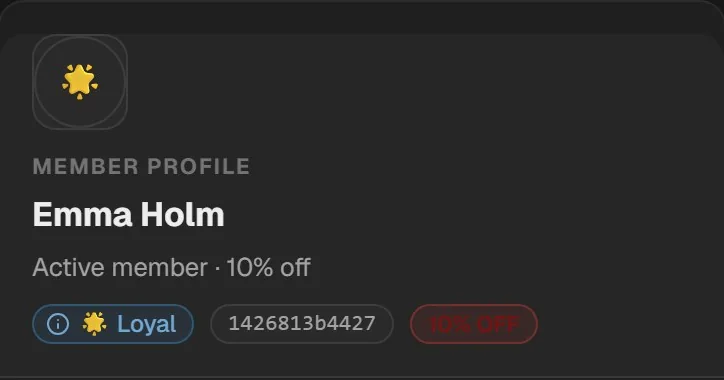
With a digital system, the code is always on the guest's phone. They simply open their profile and show it to staff. There are no lost paper cards and no "I left it at home." That is one of the biggest practical advantages of going digital over paper, and it is something guests notice quickly.