A florist loyalty program has one job the calendar cannot do for you: bring customers back between the big occasions, not just for Valentine's Day, Mother's Day and Christmas. The occasions fill the shop on their own, but most of those buyers simply walk into whichever florist is closest that day. This guide shows how to turn the occasion buyer into a regular, and how to set up a stamp card for a shop where a sale can be a single tulip or a wedding order.
The rhythm of a flower shop
Most florists in Denmark know the pattern. The weeks before Valentine's Day, the confirmation season in spring, the graduations in June and the run up to Christmas are busy. In between come quiet stretches, where people buy a bunch for their own kitchen table, a birthday present or something to bring to a hospital visit.
That gives you two kinds of customer. The occasion buyer comes in a few times a year when the calendar tells them to. The habit buyer picks up flowers every week or every other week. Habit buyers are fewer, but they are the ones who still come in during February after Valentine's Day and in July when the city is on holiday.
So a flower shop's program has two jobs. It has to reward habit buyers so they keep coming, and it has to give occasion buyers one reason to come back before the next occasion. Design for only one of them and the program ends up either too stingy or too expensive.
What should one stamp be worth?
In a coffee shop a visit is a visit. In a flower shop the gap between a small bunch and a large confirmation order is so wide that one stamp per visit rarely feels fair.
You have three rules to choose from, and MightyLoyalty supports all three:
One stamp per visit. Every purchase earns one stamp. It is the simplest at the counter and works best if your regulars mostly buy the weekly bunch at roughly the same price.
One stamp per item. Staff enter a quantity and the customer earns one stamp per unit you name yourself, for example "per bouquet". Use it if you want to reward how many bouquets someone buys rather than what they spend.
Stamps per amount spent. Staff enter the amount on the receipt and the system gives one stamp for every full amount you choose. This is the fairest rule for a shop with very different baskets. You can cap how many stamps a single scan can give, so one wedding order does not fill a whole card at once.
The choice is covered in more depth in the retail loyalty program guide. For most florists the answer is per visit when habit buyers make up most of the trade, and per amount spent when gifts and orders do.
Rewards that suit flowers
The best reward in a flower shop is flowers. A free bunch of the week, a potted plant or a small extra for the next time the customer visits someone feels worth more than a percentage off, and it costs you the wholesale price, not the shelf price.
Ideas to choose from:
- A free bunch of the week when the card is full.
- An upgrade: the customer pays for the small bouquet and takes home the medium one.
- A service you normally charge for, such as gift wrapping, or local delivery if you offer it.
- An early ordering slot before the busy occasions, so the regular is sure to get their bouquet.
The last one deserves a second look. Before Valentine's Day and Mother's Day, the crush is what customers dread. A regular who can order before everyone else gets a benefit that does not cost you a single stem. For more on reward value and stamp goals, see how to choose the right reward for your stamp card.
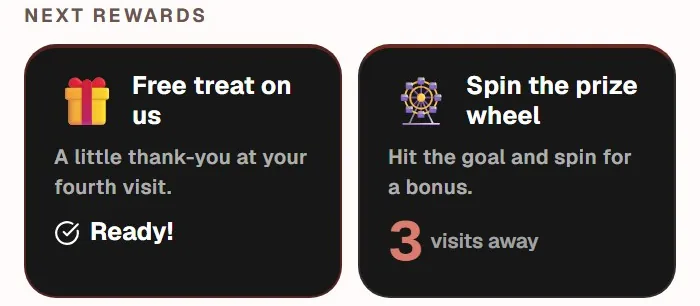
Keep the stamp goal low enough for a habit buyer to reach it within a couple of months. Picture a customer who buys a bunch every other week: with one stamp per visit and a goal of eight stamps, the card fills in about four months. If customers come less often, lower the goal, or the card loses its point.
Use the occasions to sign people up
Occasions are poor at creating loyalty but very good at recruiting members. They are the days when the most new faces stand at your counter, and each of them is a chance for one more member.
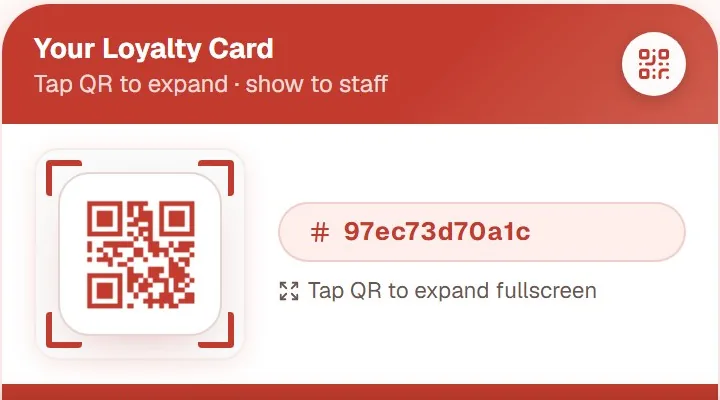
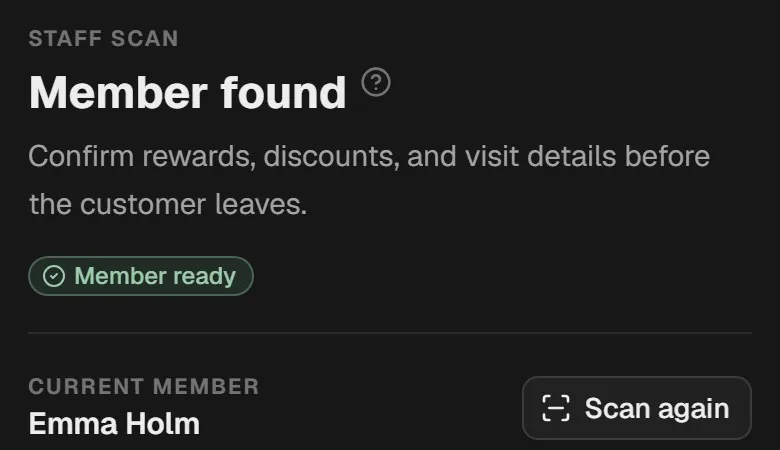
Sign-up has to be quick, even with a queue. The customer scans a QR code at the till, the card opens in the browser, and there is nothing to download from an app store. Give the first stamp straight away so the card never starts empty. One short line at payment does the work: "Would you like a stamp card? It takes ten seconds, and your next bunch could be free."
Once the occasion buyer is a member, you can reach them again, and that is where the program starts to pay. A free loyalty program for your shop gives you a way to say "this week's flowers are in" to customers who would otherwise have thought of you next year.
Stay in touch between occasions
The real gain is in the quiet weeks. A few moves that suit a florist:
Reminders before occasions. A short message the week before Valentine's Day or Mother's Day is not spam, it is service. Plenty of people have forgotten the date, and your message arrives before they grab supermarket flowers. Keep it to a reminder and an order deadline; you do not need a discount.
Birthdays. A small greeting or an extra perk on the customer's own birthday reminds them that flowers can be a present to themselves too. How to ask for the date and what to give is covered in the guide to birthday rewards for customers.
Streaks for habit buyers. A visit streak rewards customers for coming back within a set period, for example four weeks in a row. It fits the weekly bunch perfectly, because the habit is the product.
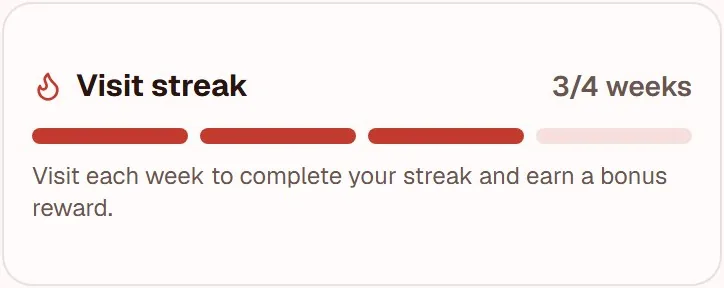
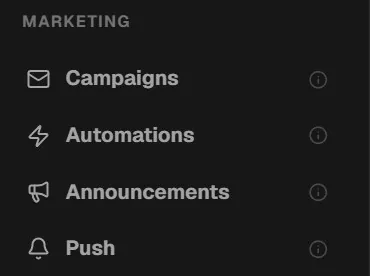
Email marketing, push, birthdays and streaks are add-ons on Standard, from 19 DKK a month each, and all included in Pro. If a customer has not been in for a long time, you can also write to them directly; the guide to winning back lapsed customers shows how to do it without sounding desperate.
A calendar makes planning easier. Here are the occasions most Danish florists work around, and what to do for members at each. Father's Day in Denmark falls on Constitution Day, 5 June, and Mother's Day is in May.
Month | Occasion | For members |
|---|---|---|
| February | Valentine's Day | Reminder a week before |
| April and May | Confirmations and Mother's Day | Early ordering |
| June | Graduations and Father's Day | Reminder a week before |
| November | All Saints' Day | Reminder a week before |
| December | Christmas | Recruit new members |
| Rest of the year | The weekly bunch | Stamps and streaks |
What does it cost?
MightyLoyalty costs 99 DKK a month on Standard and 249 DKK a month on Pro, both excl. VAT, with unlimited members and unlimited stamping. Paid yearly, it is 990 DKK or 2.490 DKK a year. You can try every Pro feature free for 14 days with no payment card, and there is no setup fee and no binding period. See the details on the pricing page.
Frequently asked questions
Can a stamp card work when customers only come for occasions?
Only if the stamp goal is low, or if you give stamps per amount spent so those few large purchases count for more. The bigger win is to use occasions to recruit members and then give them a reason to drop in between, such as the weekly bunch or a reminder before the next occasion.
Should I give a discount before Valentine's Day?
Rarely. Demand is already there, and a discount mostly gives money away to customers who would have bought anyway. An early ordering slot or a reminder to members is usually worth more to the customer and costs you less.
What about large orders like weddings and funerals?
If you stamp per amount spent, set a cap on how many stamps a single scan can give. The large order is still rewarded without filling a whole card. Many florists also keep that kind of order outside the program entirely and only stamp shop purchases.