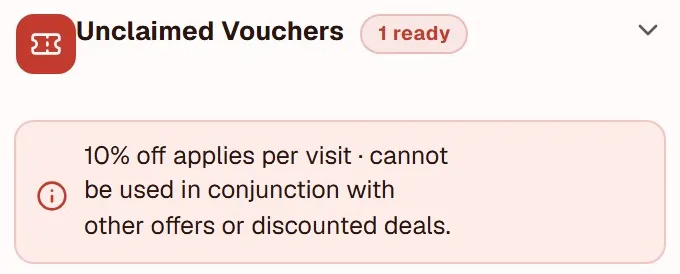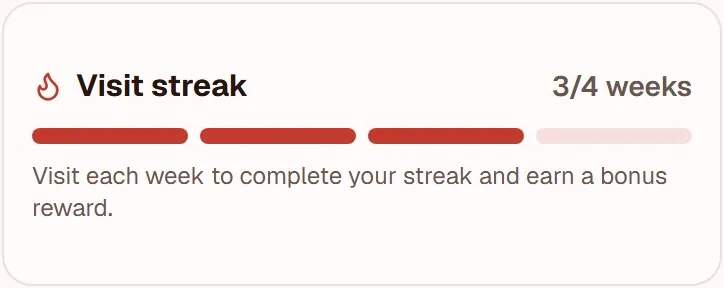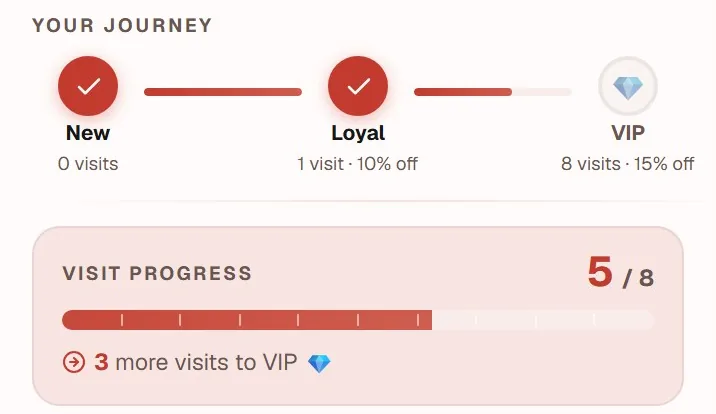
The first weeks you have the doors open are the most valuable recruiting window you will ever have. Curious guests arrive because they spotted your sign, heard about you from a neighbor, or found you online. They are open to coming back, but they have not yet formed a habit around your place. A restaurant loyalty program running from the very first day lets you start that habit while they are still standing in front of you.
Your opening period is your best recruiting window
Many owners wait to launch a loyalty program until they have "found their rhythm". It is an understandable instinct, but it costs you the most favorable period you will ever have for turning first-timers into regulars.
Guests who visit during the first 90 days are curious early adopters. They have not yet committed to your place, and they are often more receptive to new things than a guest who has visited a hundred times and knows exactly what they want. Signing up for a stamp card is a natural signal that they expect to return. The stamp they get that same day confirms they are already on their way.
Picture a cafe that opens on a Tuesday and places a QR code on the counter from day one. The first two weeks are hectic, but because the sign-up is always visible, they end up with a hundred members before the end of the month. When week three begins, they have a direct list of guests they can reach with a simple message about opening hours, a new dish, or a special offer.
A cafe that waits three months starts that day with zero sign-ups and no direct channel to its earliest guests.
Start simple
When you have just opened, there is plenty to think about. The loyalty program does not need to be complicated to work from day one.
What works from the start is a simple model: a fixed number of visits earns one reward. Picture ten stamps followed by a free coffee or a free side with the meal. It is easy to understand, easy for staff to explain, and easy to say at the register.
Complex structures with tiers, point systems, and bonus rules can come later once you know your guests better. The first months are about getting people signed up and started. The loyalty program launch checklist gives you the order to do things in, which matters more than usual when the kitchen is still finding its feet.
Put sign-up in eyeline
Sign-ups happen when the guest can see the offer. The QR code needs to sit, hang, or stand wherever the guest naturally looks during their visit.
The three best placements for a newly opened venue:
The counter. The guest's attention is on the transaction here. A small sign reading "Collecting stamps? Scan here" is easy to read while paying or waiting.
The table. Seated guests have time. A small table card with a brief explanation and the QR code gives them a chance to sign up while they wait for food or sit with their coffee.
The front door or window. Guests looking in from outside can see that you run a loyalty program. That small detail can be what draws them in rather than walking on.
You do not need many signs. One or two well-placed ones beat seven that compete with each other. The guide to QR poster placements walks through exactly what works in practice.
Teach your staff one line
You can put up as many QR codes as you like, but they perform much better when staff mention them actively. Guests who receive a verbal invitation sign up far more often than those who notice a poster on their own.
For a newly opened venue, one simple script is best. You do not need a training session, just one sentence:
"We have a digital stamp card so you can collect towards a free coffee. Would you like to sign up now?"
That takes under 20 seconds. The guest who says yes is already on board. The guest who says no has heard about it and knows the option is there.
Give the first stamp on the spot, the same day the guest joins. A stamp card with one stamp is far more motivating than an empty one, because the guest can already see that they are making progress.
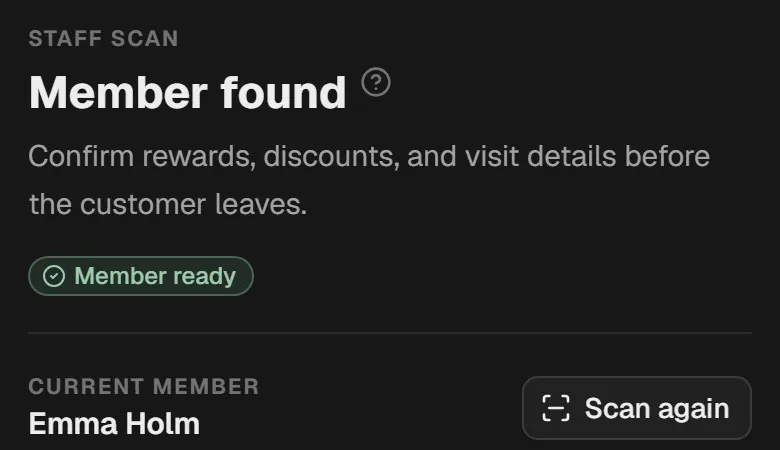
The guide to staff training for loyalty programs gives you a practical checklist for building the routine in from the start.
Build a list before you need one
The most underrated advantage of a digital stamp card for a newly opened business is not the stamps. It is the list.
Every sign-up is an email address belonging to a guest who visited you and showed interest in returning. With 50 members it is a modest list. With 200 it is a real marketing channel you own outright and pay nothing per message to use.
Picture yourself three months after opening, wanting to invite your earliest guests to mark 90 days in business with a special dish or a small event. You send an email to everyone already in your program. Everyone else hears about it only if you pay for ads or post on social media and hope the algorithm passes it on.
An email to your own members is direct, free, and reaches the guests who already know you. The sooner you build the list, the more you can use it when you need it. A list also comes with obligations: if you trade in the UK or the EU, what GDPR means for a loyalty program covers consent, storage limits, and what a customer can ask you to delete. It is far easier to set that up correctly on day one than to clean it up later.
Use early visit data to understand your guests
A digital loyalty program gives you data from the first week: when stamps are recorded, when guests come back, and when they stop. That kind of insight is what most newly opened restaurants lack.
Picture this: after six weeks you can see that guests who signed up on a Saturday rarely return within the next two weeks, while guests who joined on a weekday are back within ten days on average. That is a signal that your weekend visitors are mostly curious passersby, while your weekday guests are the neighbors and the people with a regular lunch routine in the area. That insight can guide when you focus on sign-ups and when you communicate.
The Standard plan is 99 DKK a month, about 13 EUR, and includes unlimited stamping and access to the visits dashboard. The Pro plan at 249 DKK a month, about 33 EUR, adds email marketing and automations. There is no binding period and no setup fee, and you cancel in the portal. Try the system directly at https://loyalty.maiya.dk/
Frequently asked questions
Can you launch a loyalty program before you have found your rhythm?
Yes, and it is actually the best time to do it. The first weeks bring in the curious early visitors who have not yet decided whether your place is their regular. A stamp card from day one gives you a concrete tool to turn them into regulars. You do not need all your routines in place: the stamp card only needs a QR code on the counter and one sentence from your staff.
How many stamps is right for a newly opened restaurant?
Eight to twelve stamps is a solid starting point for most venues. Fewer than eight and the reward feels too easy to earn, losing its motivating pull. More than twelve and the guest may feel the goal is too far away to bother starting. Picture ten stamps and a free dish: the guest knows they are ten visits away from a concrete reward, and every stamp brings them visibly closer.
When should you start using the email list for direct communication?
As soon as possible, but with something concrete to say. An email that simply says "Hey, we miss you" does far less than one with real content: "We have just added a new lunch dish" or "Come in Tuesday and Wednesday for double stamps". Send the first email when you have something worth saying, ideally within the first four to six weeks while you are still fresh in your guests' minds.