Restaurant guest experience is everything a guest notices from the moment the door opens until they leave: the welcome, the wait, the food, the bill and the goodbye. It decides whether they come back. A loyalty program can add a reason for the next visit, but it can never turn a bad evening into a good one, so this guide starts with the small things.
A loyalty program amplifies what is already there
It is tempting to think a stamp card will fix a shortage of regulars. It will, if the problem is that guests forget about you. It will not, if the problem is that they waited 20 minutes for the bill and nobody caught their eye.
Think of a loyalty program as an amplifier. A guest who had a great evening gets a concrete reason to return a little sooner. A guest who had a mediocre evening gets a stamp on a card they never open again. The program makes good better; it does not make mediocre good.
That is also why the most effective ideas in this guide cost nothing. They take attention, not budget.
Five moments a guest remembers
A meal out is not one experience but a run of short moments. Guests do not score them consciously, but they remember how each one felt. It pays to walk through them one at a time and ask: what actually happens here, in our place?
The guest is acknowledged within seconds, even when it is busy
The guest knows what is happening and how long it will take
The same standard every time, so guests know what they come for
Quick and painless once the guest is ready to leave
A thank you and eye contact, not just a back turned
Arrival
The first seconds set the tone. A guest standing in the doorway unnoticed starts to doubt the evening. You do not need a table ready straight away. A nod and "I'll be right with you" is enough for them to know they have been seen.
The wait
Guests will put up with a wait when they know what is going on. It is the uncertainty that grates. If the kitchen is behind, say so: "It'll be about ten extra minutes tonight." It costs nothing and takes most of the frustration away.
Food and drink
Regulars come for something specific. If their favourite dish tastes different every time, they stop trusting it. For a regular, consistency matters more than a new menu. Change dishes by all means, but keep the standard people return for.
The bill
The bill is the last thing a guest experiences before leaving, and a long wait here can colour the whole evening. Watch for tables that have put their cutlery down, and bring the bill when the guest is ready, not when staff have a spare moment.
The goodbye
A "thanks for tonight, see you soon" from the person who served them does more than you would think. It is also the natural moment to add the stamp if the guest is a member, or to mention the stamp card if they are not.
Know your regulars by name
Almost every guest appreciates one thing: being recognised. "The usual?" or "Good to see you again, Maria" is the strongest loyalty mechanism there is. It is what turns a restaurant into someone's local.
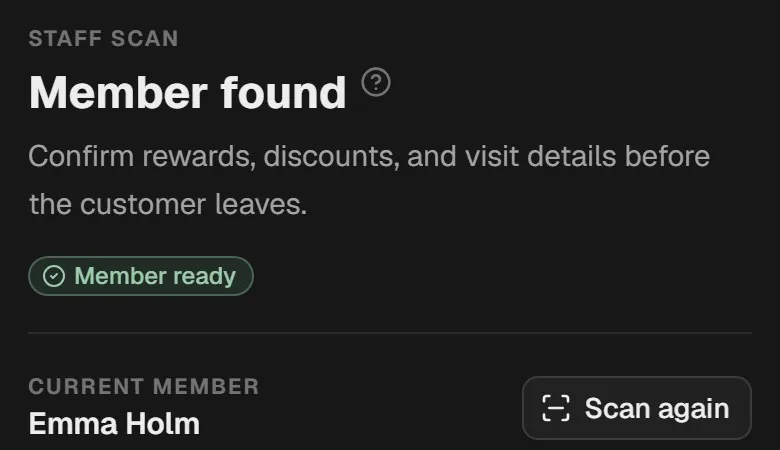
The catch is that it only works while the same person is behind the counter. When a new hire starts, or the guest comes in on a different shift, the recognition is gone. This is where a digital loyalty program helps. When staff scan the guest's card, they see the guest's name and tier on screen, so even someone on their first week can say "welcome back" to a guest they have never met.
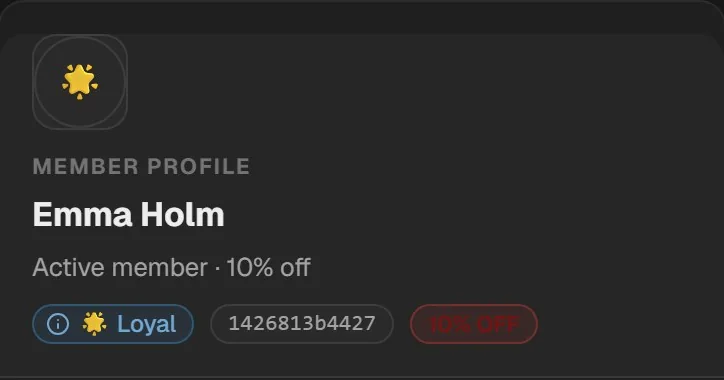
Use it with care. The name is for greeting, not for showing how much you know. How to get staff using the program naturally is covered in the guide to staff loyalty program training.
What a loyalty program can and cannot fix
It helps to be honest about where the line is. A loyalty program is a good tool for some problems and useless for others.
Problem | Can the program help? |
|---|---|
| Guests forget you between visits | Yes, with posts and reminders |
| New staff do not know the regulars | Yes, name and tier on scan |
| You never hear about bad visits | Yes, with feedback after the visit |
| Long waits for food | No |
| Unfriendly service | No |
| Inconsistent quality | No |
The bottom three rows are your job, not the program's. If that is where the problem sits, your money is better spent on a better rota than on new software.
Listen before the guest leaves
Many guests who had a bad visit never say so. They simply do not come back. So it is worth asking while you can still do something about it. A short question at the table ("Was everything as it should be?") works, as long as it is meant and not mumbled in passing.
A digital program can add a short rating after the visit. The guest gets the question on their card and answers with stars. Over time that gives you a clear picture and a chance to put things right before the complaint ends up somewhere public. How to ask and what to do with the answers is in the guide to customer feedback for restaurants.
Make it a habit across the team
Guest experience is not one person's job; it is the sum of every shift. A few simple habits keep the standard up:
- One focus per week. Pick one of the five moments and concentrate on it for a week. For example: no guest waits in the doorway unnoticed.
- Share what you know about regulars. If a regular has a particular habit, tell the new people on the team.
- Talk about what went well. A quick word after the shift about a guest who left happy makes it easier to repeat.
The same principles apply in a café, where recognition often matters even more because guests come in more often. There is more on that in the café customer loyalty guide.
What does it cost?
Most of this guide costs nothing. What does cost money is the program that helps staff recognise guests and keeps in touch between visits. On MightyLoyalty that is 99 DKK a month on Standard and 249 DKK a month on Pro, both excl. VAT, with unlimited members and unlimited stamping. Guest feedback is an add-on on Standard and included in Pro. You can try every Pro feature free for 14 days with no payment card, and there is no setup fee and no binding period. See how a restaurant loyalty program works in practice.
Frequently asked questions
What makes a good restaurant guest experience?
A visit where the guest is acknowledged, knows what is happening, gets what they came for and leaves without hassle. It is rarely one big thing; it is a run of small moments that all work.
Can a loyalty program improve the guest experience?
It helps with some parts: staff recognising guests, hearing about bad visits, and guests remembering you between visits. It cannot fix long waits, unfriendly service or inconsistent quality. Those remain your own work.
How do staff remember regulars' names?
By using them every time and telling each other about the regulars. With a digital loyalty program, staff see the guest's name and tier when the card is scanned, so new team members can greet regulars by name too.