Fitness studios, yoga centres, pilates clinics, and treatment practices share one persistent challenge: members pay for access, but showing up is optional. A fitness studio loyalty program addresses that gap directly. It is not about attracting new members; it is about keeping the ones you have active when daily life competes with their workout routine. The right digital tool rewards attendance, makes progress visible, and gives you early warning before a member slips away for good.
The three dropout windows in fitness
Member churn in fitness rarely happens as a sudden decision. It follows a pattern, and knowing that pattern is the first step to interrupting it.
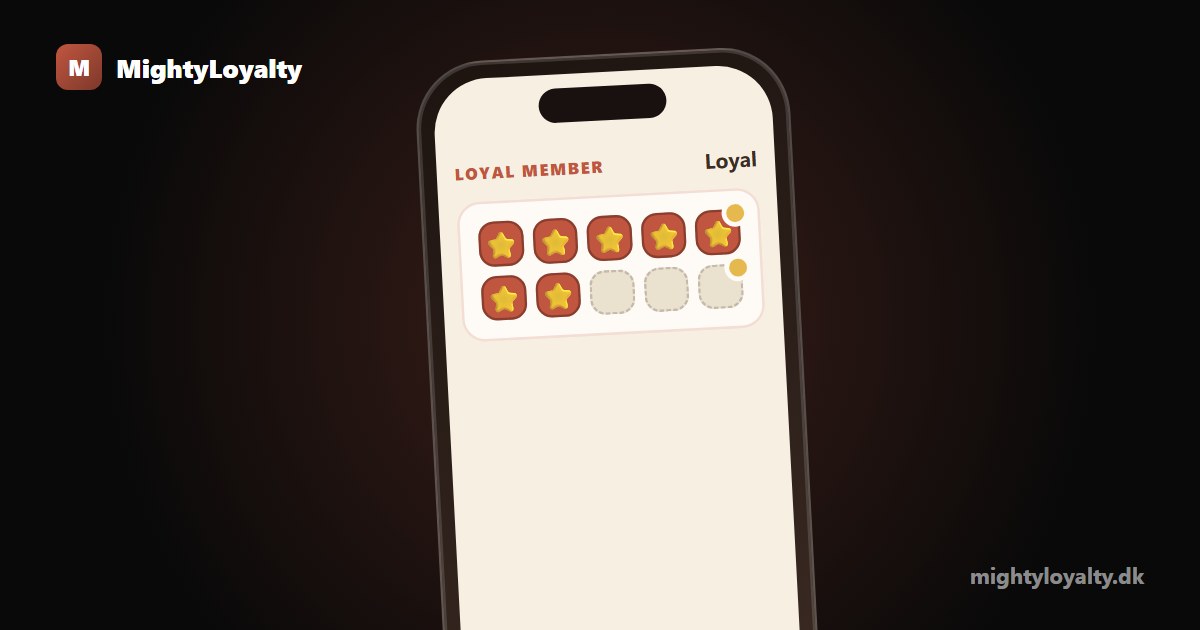
Weeks two to six after joining. A new member arrives with good intentions but has not yet built the habit. If nothing reinforces the behaviour in the first month, attendance fades and cancellation follows at the next renewal. This is where a stamp card does its quiet work: the member can see progress, and progress creates commitment. A person with four stamps out of ten will not cancel next week because they have already invested something.
The three-month mark. The initial motivation has run its course. Members who have not had a concrete reason to keep going often leave at the first renewal after month two or three. A reward that lands at exactly this point, whether a free class, a product gift, or priority booking, resets their sense of value and extends the relationship.
January's second half. Every fitness venue fills in the first two weeks of January, then empties. The members who built a routine over the preceding months stay; the ones who joined on a resolution leave. A stamp card with a short-term milestone during January keeps the new joiners motivated into the period when they would otherwise stop.
Why sub-verticals need different approaches
A gym, a yoga studio, a physiotherapy practice, and a personal trainer all benefit from attendance loyalty, but the mechanics need to fit the business model.
Gyms and training studios with subscription members: the stamp card rewards actual attendance on top of the monthly payment. Without it, a subscription member who has paid regardless of whether they show up has no external reason to appear. The stamp card closes that gap: it makes attendance visible and rewarded, not just billed.
Yoga, pilates, and dance studios running session-based classes: the stamp card ties directly to class attendance and creates a goal within a natural month-long period. Eight stamps for members attending two classes a week gives them a target they can reach in four weeks. The reward lands just as their initial motivation might otherwise have peaked and dipped.
Physiotherapy, massage, and osteopathy clinics: clients are typically in a treatment course and return for three to six appointments. A loyalty program signals that you value long-term clients and separates you from a purely transactional encounter. A six-stamp reward rather than ten or twelve is more appropriate: the client reaches it within a realistic course of treatment and leaves with a reason to book the next one.
Personal trainers with an established client base: the stamp card reinforces the client's commitment to a programme they have already invested in. A client halfway to a reward milestone is psychologically less likely to drop out of a session course, because dropping out means leaving stamps unused and progress abandoned.
Attendance rewards that work in fitness settings
The reward should either mirror what you sell or carry clear and tangible value for the member. In fitness, that gap between perceived value and actual cost is often particularly wide.
A free session or class carries high perceived value and near-zero real cost if you have space on the roster. For a yoga studio or a dance class, a free slot costs you nothing if the room would have been underused anyway, while the member experiences it as a meaningful gesture.
Merchandise and wellness products work well in fitness contexts because they fit the lifestyle your members have already committed to. A water bottle with the studio logo, a protein bar, or a sample from a local wellness partner all read as thoughtful rather than transactional.
Priority booking is the reward that costs nothing directly but feels exclusive. Regulars gain the ability to reserve spots before the booking window opens for everyone else. For popular morning or lunchtime slots that fill quickly, this is a benefit members genuinely value and cannot get at a lower price point.
The spin wheel in the Pro plan suits January campaigns or seasonal momentum periods. Instead of a fixed prize, the member earns a spin when they hit a milestone, and the variable reward adds an element of anticipation. You control the probabilities: the economics are predictable for you, and the experience is engaging for the member.
For a broader look at what motivates customers across different business types, see the guide to the best rewards for loyal customers.
Reading the dashboard: early warning signals
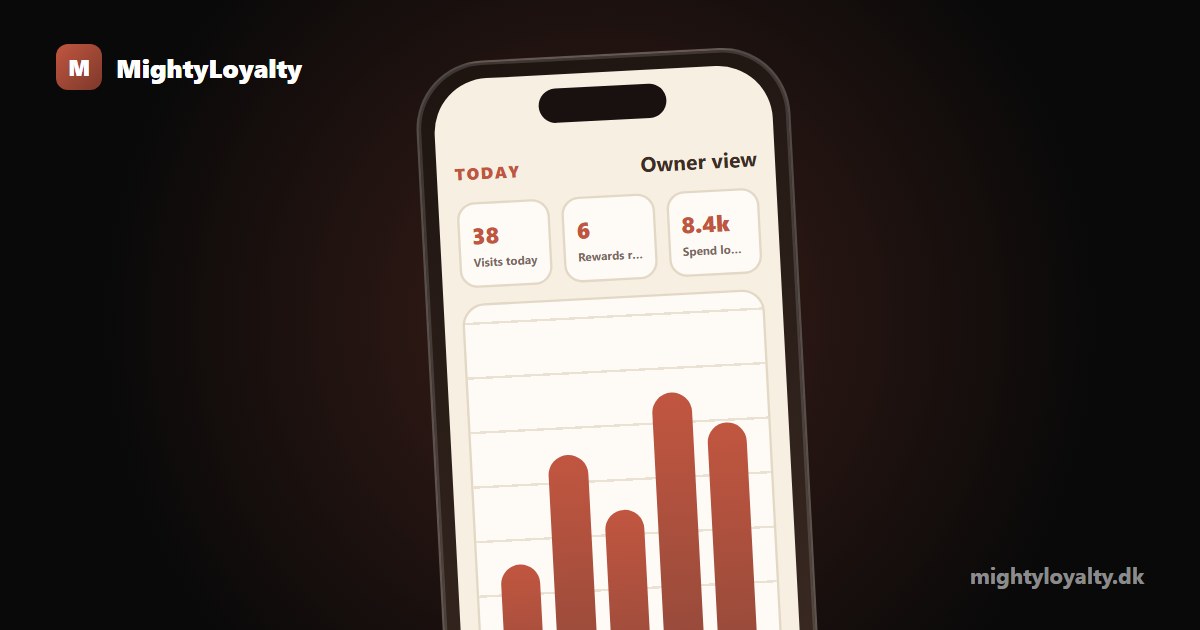
The most practical feature a digital loyalty program adds to a fitness business is not the stamp card itself. It is visibility. The owner dashboard in MightyLoyalty shows when each enrolled member last received a stamp, how many stamps they hold, and what their attendance pattern looks like over time.
Three signals are worth watching every week.
Members inactive for 21 days or more. In a fitness context, three weeks of absence is an early indicator of drift rather than a holiday. A brief, direct message before the four-week mark, when re-engagement is still natural, is far easier than trying to win back someone who has already mentally cancelled their membership.
Cards stuck at one stamp. A member who signed up but only visited once has not yet built the habit. A gentle reminder that they are partway to a reward keeps the card active in their mind. Winning back lapsed customers covers the re-engagement mechanics in detail.
Sudden drops in visit frequency. A member who usually attends three times a week and has suddenly dropped to once is not yet churning, but the pattern is visible before they tell you anything. This is the kind of signal that paper stamp cards cannot produce and that member conversation alone will miss.
Setup: quick at the front desk
At a fitness reception, members are typically in workout gear and heading to the changing room or back out the door. The enrolment process has to be fast.
QR code at the entrance. A poster or sign at the check-in desk means a member can scan and enrol while greeting the receptionist. No app download is required; the card opens directly in the phone's browser.
The staff routine. Whoever checks members in scans the member's QR code with a staff phone. It takes two seconds and fits naturally into the check-in flow. Getting the team to do this consistently from day one is the whole game: a loyalty program that staff forget to use produces no results. The full loyalty launch checklist covers what to prepare and how to brief your team.
The stamp target. Choose a goal that matches your member cadence. For a fitness studio with two to three visits per week, eight to ten stamps is appropriate: the member reaches the target in four to six weeks and experiences the reward before motivation fades. For a clinic with weekly sessions, six stamps keeps the goal reachable within a course of treatment.
The Standard plan costs 99 DKK/month and includes unlimited stamping and access to the owner dashboard. The Pro plan at 249 DKK/month adds the spin wheel and advanced campaign features. Both plans are excl. VAT, with no setup fee and no binding contract; you cancel in the portal. For a complete plan comparison, see the stamp card app page. See the system in action at https://loyalty.maiya.dk/
Frequently asked questions
Can a digital stamp card work for subscription members who already pay monthly?
Yes. The stamp card rewards actual attendance regardless of whether the member pays per session or via subscription. For subscription members, it adds a visible layer on top: they pay for access, but the stamp card rewards them concretely for using it. It is a clear signal that showing up is noticed and valued, not just billed.
How many stamps should a fitness studio set as the goal?
It depends on your member cadence. For studios with two to three visits per week, eight to ten stamps works well: the member reaches the goal in four to six weeks, which is long enough to start building a habit but short enough that the reward does not feel out of reach. For treatment venues with lower visit frequency, six stamps is often more effective so the reward lands within a realistic course of care.
Does this work for treatment venues like massage clinics and physiotherapy practices?
Yes. Massage clinics, physiotherapy practices, and similar venues are well suited to the stamp card model because clients are typically in a treatment course and have the potential for several return visits. The reward mechanic is identical; what changes is the nature of the reward: a free follow-up treatment, a product from the clinic, or a benefit on the next appointment.