Happy hour vs loyalty program: both are meant to fill your bar, but they solve different problems. Happy hour fills one time slot tonight, while a loyalty program gives the guest a reason to come back next week. Here they are side by side, so you can see which one your bar needs most, and how the two can work together.
Two tools, two jobs
Happy hour is a timed discount for everyone. Between, say, 16 and 18, certain drinks are cheaper or it is two for one. Anyone who walks in during that window gets the deal, whether it is their first visit or their hundredth.
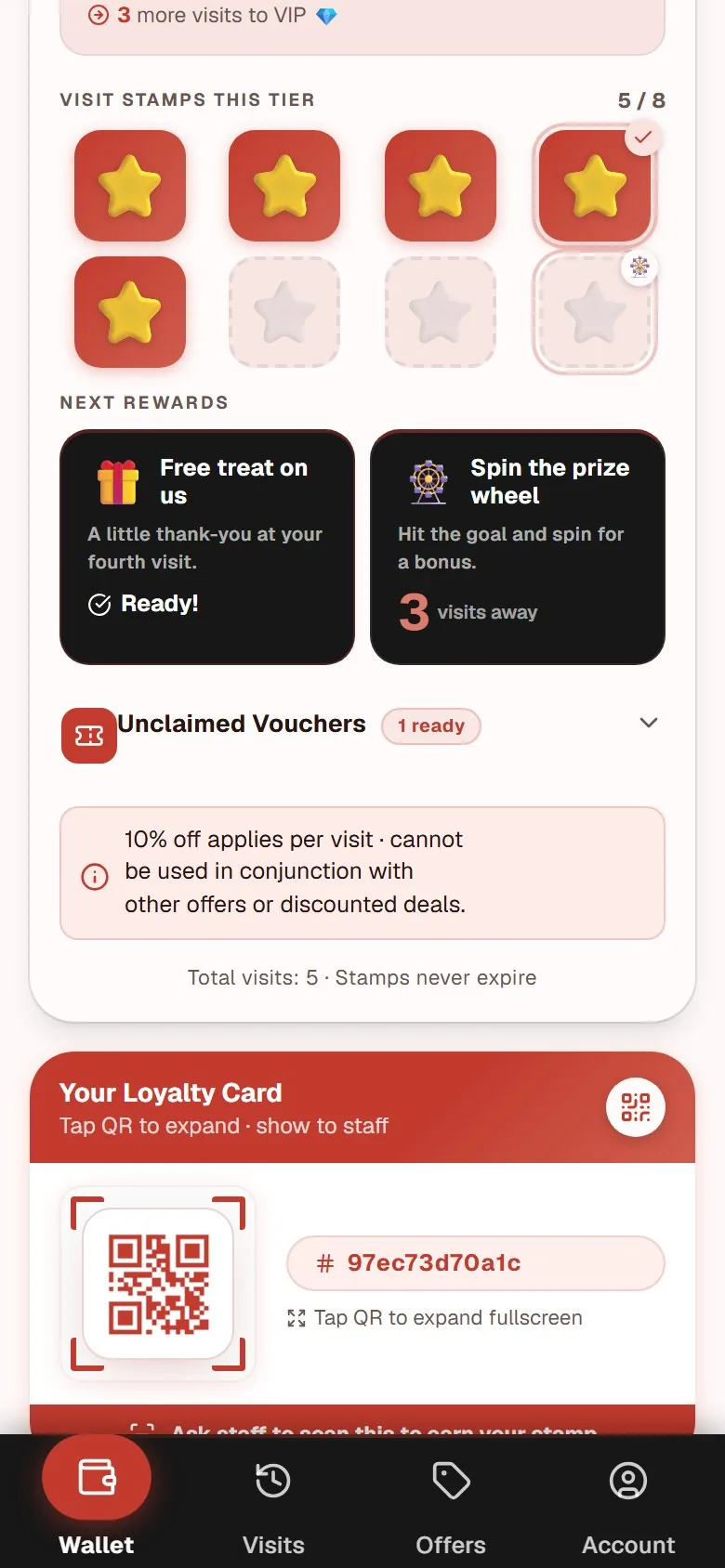
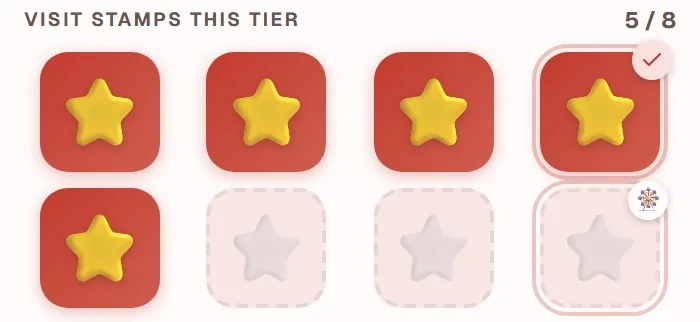
A loyalty program is a reward for coming back. The guest collects a stamp per visit, and after a set number of visits a reward is waiting. The program does not care what time it is; it cares whether the guest returns.
It sounds like a small difference, but it decides almost everything else: who gets the discount, what it costs you, and what you are left with when the offer ends.
What | Happy hour | Loyalty program |
|---|---|---|
| Rewards | The time of day | Coming back |
| Who gets it | Everyone in the window | The guests who return |
| Works | Tonight | Over weeks and months |
| Afterwards you have | A full bar for a few hours | A list of your regulars |
What happy hour does well
Happy hour earned its reputation. It is easy to explain, easy to chalk on a board and it works straight away. A bar that is half empty at 17 can fill its stools with a sign on the pavement.
It also creates atmosphere. A bar with people in it looks inviting, and guests who arrive at 17 sometimes stay until 20. For a new bar that needs people through the door for the first time, a timed offer is a simple way to get tried.
Where happy hour falls short
The weakness is that the discount goes to everyone. The guest who would have been at the bar at 17 on Friday anyway now pays less for the same beer. You have paid for something you would have had for free.
Happy hour does not teach anyone to come back, either. Guests come for the deal, not for you, and if the bar next door runs a happy hour an hour longer, they move with it. When the offer ends, you know nothing about who was there.
Then there is the alcohol. A classic two for one rewards drinking more in a short time. The Danish industry's own guidelines on alcohol marketing, overseen by Alkoholreklamenævnet, say among other things that marketing must not encourage excessive drinking. This is not legal advice: read the rules yourself or ask your trade association before you launch an offer. But the more an offer is about volume, the closer it sits to that line.
What a loyalty program does better
A loyalty program only rewards the guest who comes back. Someone who visits once gets their first stamp and nothing more; someone who comes every week reaches the reward. The discount follows exactly the guests you want more of.
It also gives you something happy hour never does: a list of who your regulars are and how often they come. You can see when a regular has not been in for a month, and you can tell your best guests first when there is a quiz, a tasting or a gig.
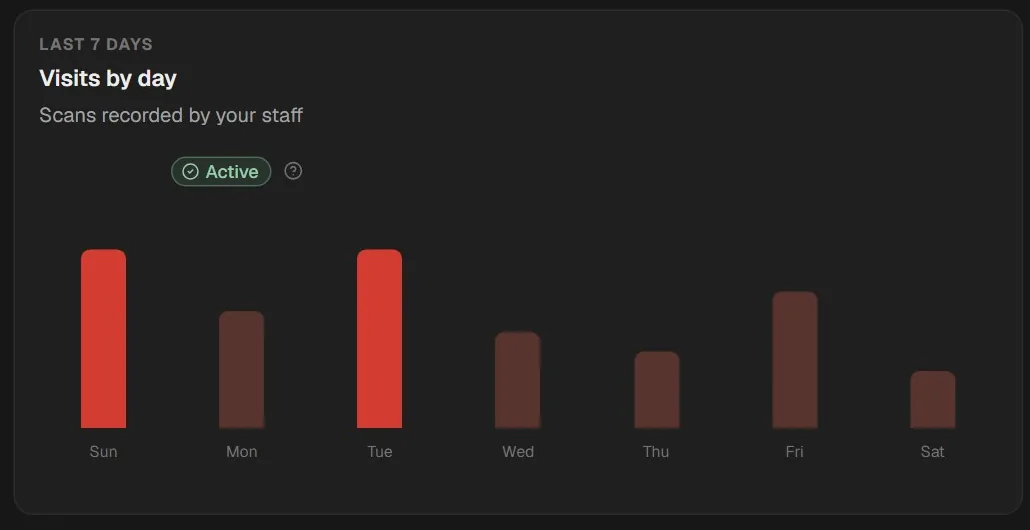
In a bar the program should stamp per visit, not per drink, and the reward should be something other than more alcohol: a cheese board, an alcohol free signature drink or a seat at the next tasting. How to build it is covered in the guide to a bar loyalty program.
The weakness is patience. A loyalty program will not fill the bar at 17 today. It works over weeks and months, as guests collect stamps and return.
What each one really costs
Happy hour has no subscription, but its price is the discount on every single glass in the window, including to guests who would have paid full price. Imagine a bar that sells 40 glasses between 16 and 18. That is 40 discounts in one afternoon, and some of those glasses went to people who would have come anyway.
The price of a loyalty program is the reward, and you only pay it once a guest has been in the agreed number of times. Give a cheese board after eight visits, and the guest has come eight times before you give anything away. The discount is tied to the behaviour you want. Why the same logic favours offers for members over offers for everyone is explained in the guide to member only offers.
Use them together: a members' happy hour
You do not have to choose. Often the strongest move is to bring happy hour inside the loyalty program and make it something for members.
With offers in MightyLoyalty you can limit an offer to set days and times and show it only to members. Imagine a wine bar that gives members a small dish with their first two glasses on a Tuesday between 17 and 19. The quiet night gets a reason, the discount only reaches guests who signed up, and the reward is food, not more drinks.
The night and time slot that needs it most
Only guests with the card get it
Not two for one on alcohol
So the quiet night counts on the card
If you have several slow hours a week, there are more ideas in the guide to quiet hours at a restaurant. And if you would rather drop discounts altogether, loyalty without discounts shows how experiences and recognition can do the work.
How to choose
Choose happy hour when you need to be tried: a new bar, a new address, or a time slot when nobody knows you yet. Keep it short, and make it as much about food or an alcohol free drink as about beer.
Choose a loyalty program when you have guests but too few who come back. That is what builds a bar that is full on an ordinary Thursday.
If you need both, start with the program and add a members' offer in the quiet hours. See how the restaurant and bar loyalty program works.
Frequently asked questions
Is happy hour allowed in Denmark?
A timed offer is not banned in itself, but alcohol marketing should follow the industry's guidelines, which say among other things that it must not encourage excessive drinking. Two for one on alcohol sits closest to that line. This is not legal advice, so read the rules or ask your trade association.
Can I run happy hour and a loyalty program at the same time?
Yes, and it often works best. Give a stamp per visit as usual, and turn happy hour into a members' offer in the quiet hours. The discount then goes to guests who signed up, and the quiet night counts on their card.
What is a good alternative to happy hour?
A members' offer in the same time slot, where the reward is food, an alcohol free drink or a seat at the quiz or tasting. It fills the quiet hour without making alcohol cheaper for everyone, and it tells you which guests came.