A pet shop loyalty program has one job: to make your shop the place an owner buys the next bag of food when the current one is nearly empty. The need comes back on its own, but the same food can often be bought at the supermarket, online or at the big chain store on the ring road. This guide shows how to use a digital stamp card to keep your regular food customers coming to you, and which rewards will not eat your whole margin.
The food comes back, the customer does not always
A pet shop has a rhythm many businesses would envy. A dog or a cat eats every day, and food, litter and treats run out at fairly regular intervals. The customer who buys a big bag of dog food today will need another one in a few weeks.
The challenge is not creating demand. It is already there. The challenge is that the customer has plenty of places to meet it. A small independent pet shop rarely wins on price for the identical bag, so it has to win on something else: advice, range, and the feeling that coming back pays off.
That is exactly what a stamp card is good at. It turns every purchase into a step towards something, and it gives the customer a concrete reason to choose you, even on the day an online shop is slightly cheaper.
What should earn a stamp?
In a café it is simple: one coffee, one stamp. In a pet shop, baskets vary far more. One customer buys a small bag of treats; the next buys two big bags of food, a sack of litter and a new collar. MightyLoyalty can stamp in three ways, and you pick the one that fits your shop:
Per visit. Every purchase earns one stamp, whatever is in the basket. It is the fastest at the till, but it rewards a small bag of treats exactly as much as a big food shop.
Per item. Staff enter a quantity, and you name the unit yourself, for example "bag of food". This fits when food is your core product and you want to reward exactly that. A customer with two dogs who buys two bags at a time earns two stamps.
Per amount spent. Staff enter the amount, and the customer earns one stamp for each full amount you have chosen. This fits a shop with mixed baskets, where food, toys and accessories should all count. You can cap how many stamps a single scan can give, so one large shop does not fill the whole card at once.
Rule | Fits | At the till |
|---|---|---|
| Per visit | Small, similar purchases | Scan and confirm |
| Per item | Shops where food is the core | Scan and enter number of bags |
| Per amount spent | Mixed baskets of food and accessories | Scan and enter the amount |
The trade-off between per item and per amount is covered in more depth in our retail loyalty program guide, and it applies to a pet shop too.
Rewards that do not eat your margin
The obvious reward, a free big bag of food, is often the most expensive one for you. Look at your own numbers: if your margin on food is lower than on treats and accessories, a whole free bag can cost more than you earned on the purchases that led to it.
Good alternatives:
- A bag of treats or chews the pet loves and the owner would not normally buy.
- A toy or accessory of their choice up to a fixed value.
- A discount on the next bag of food instead of a whole free bag.
- If you also offer grooming or nail trims, a free nail trim. It costs you time rather than stock, and it brings both owner and pet into the shop.
The reward should be something the customer looks forward to, and ideally something that introduces them to a part of your range they do not know yet. More on value and goals is in our guide to choosing a stamp card reward.
Set the goal by the bag of food
The most important number in your program is the stamp goal. Set it by how often your regulars actually come in, not by what sounds generous.
Picture a customer who buys one bag of food a month, and you stamp per bag. With a goal of 10, most of a year goes by before the card is full, and the reward is hard to see from the start. With a goal of 6, the reward stays in sight the whole way. If the customer buys two bags at a time because there are two dogs at home, the time halves, and that is fair: that customer is worth more to you too.
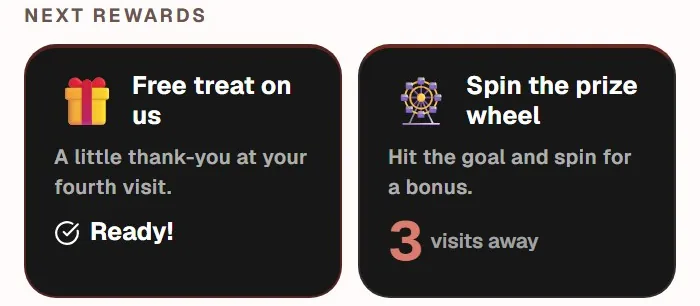
You can also put several rewards on the same card, so there is something along the way. A small treat halfway and a bigger reward when the card is full keep the customer going through the long months.
Remind them before the bag is empty
The most valuable moment in a pet shop is the few days before the food runs out. If the customer does not drop by, they may simply order online. A short message at the right time can make the difference.
With push notifications and email you can remind members that they have stamps waiting, or tell them about a new food range. A message that winter food or flea treatment is back on the shelf is a service, not spam. Both are add-ons on Standard from 19 DKK a month and included in Pro.
If a regular has not been in for longer than a bag of food normally lasts, take it as a signal. How to approach them is covered in our guide to winning back lapsed customers. And if you are thinking about letting stamps expire, read should loyalty stamps expire? first: a customer who buys every six weeks should not lose their stamps.
Get started in an afternoon
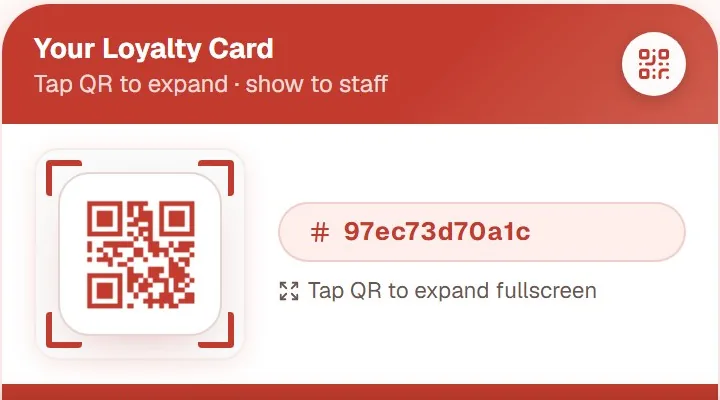
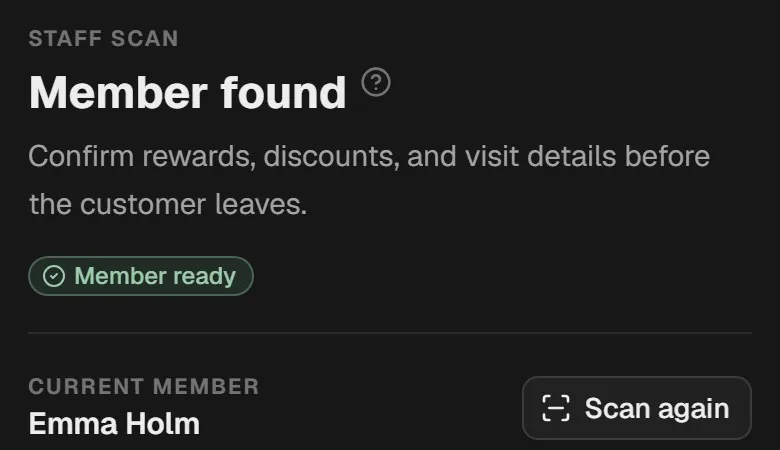
The best time to sign up members is at the till, while the customer pays for the food. Put a QR code on the counter. The customer scans it, the card opens in the browser, and there is no app to download. Give the first stamp straight away, so the card never starts empty.
Per bag of food or per amount, to suit your baskets
A goal customers can reach, a reward with a healthy margin
The customer scans, the card opens in the browser
So the card never starts empty
Agree with your staff how to handle households, too. A stamp card belongs to one person, so if two people in a family take turns shopping, they can either share one card on the same phone or each have their own. What matters is that every member of staff gives the same answer.
What does it cost?
MightyLoyalty costs 99 DKK a month on Standard and 249 DKK a month on Pro, both excl. VAT, with unlimited members and unlimited stamping. Paid yearly, it is 990 DKK or 2.490 DKK a year. You can try every Pro feature free for 14 days with no payment card, and there is no setup fee and no binding period. See how the digital stamp card app works, or go straight to pricing.
Frequently asked questions
Should I stamp per bag of food or per krone spent?
If food is your core product, per bag is the simplest and the easiest to explain at the till. If your baskets mix food, toys and accessories, per amount spent is fairer. In that case, set a cap on how many stamps a single scan can give.
What is a good reward in a pet shop?
A reward with a healthy margin that the customer looks forward to: treats, chews, a toy or a free nail trim if you offer one. A whole free bag of food sounds generous, but it can cost more than the purchases that led to it earned you.
Can a small pet shop compete with online stores on food?
Rarely on price alone. But a stamp card gives the customer an advantage for staying with you, and a reminder at the right time brings them into the shop before they order somewhere else. Your advice and your range do the rest.